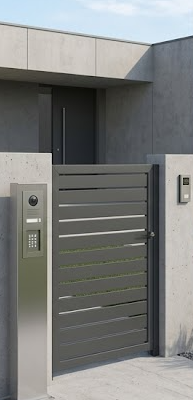
Metal structures are known for their strength, versatility, and ability to perform reliably for many years, but even durable metal requires proper care. Outdoor stairs, railings, gates, fences, structural frames, balconies, and other fabricated metal components are continuously exposed to moisture, temperature changes, dirt, chemicals, and everyday wear. Without routine maintenance, protective finishes can deteriorate, and corrosion may gradually weaken exposed areas.
Fortunately, many common problems can be prevented by inspecting, cleaning, and repairing metalwork before significant deterioration occurs. Understanding how to maintain metal structures for long-term durability can help property owners preserve their appearance, structural performance, and overall value. Go to this website at https://www.83metalcraftboise.com/ to learn more.
Why Is Regular Metal Structure Maintenance Important?
Regular maintenance helps preserve both the appearance and performance of metal structures. Protective coatings are designed to separate the underlying metal from moisture and other environmental conditions, but these coatings can eventually become scratched, chipped, or worn. Once exposed metal begins interacting with moisture and oxygen, corrosion can develop. Small areas of surface rust are generally easier to address than widespread deterioration. Routine maintenance therefore helps property owners identify problems while they are still manageable.
Maintenance is particularly important for exterior metalwork that experiences constant environmental exposure. Gates, stairs, railings, fences, and structural components may encounter rain, snow, humidity, road salts, pollutants, and changing temperatures throughout the year. Moving components such as hinges and latches also experience mechanical wear in addition to environmental exposure. Ignoring these conditions may shorten the useful life of otherwise durable metalwork. Consistent care helps protect the investment made in fabrication and installation.
How Often Should Metal Structures Be Inspected?
Metal structures should be visually inspected on a regular basis, with additional attention after severe weather or unusual impacts. Property owners can look for rust, peeling paint, cracked coatings, loose fasteners, damaged welds, movement at connections, and other visible changes. Areas where water collects deserve particular attention because prolonged moisture exposure can accelerate corrosion. Connections between different materials should also be examined for signs of deterioration. Regular observation makes it easier to identify changes before they become serious.
The appropriate inspection schedule depends on the structure and its environment. Indoor decorative metalwork generally experiences less environmental exposure than an exterior staircase or driveway gate. Structures located in coastal, industrial, or high-moisture environments may require more frequent inspection because corrosion can progress faster. High-use components should also be checked more often because repeated movement can loosen hardware or wear protective finishes. Inspection frequency should reflect actual exposure and use rather than relying on a single schedule for every structure.
How Should Metal Structures Be Cleaned?
Cleaning removes substances that can hold moisture against the metal surface or damage protective coatings over time. Dirt, dust, leaves, bird droppings, salts, and other debris should not be allowed to accumulate in corners, joints, or horizontal areas. Many finished metal surfaces can be cleaned using water, a mild cleaning solution, and non-abrasive tools. Aggressive cleaners or abrasive materials may damage certain finishes, so cleaning methods should always be appropriate for the coating. Gentle routine cleaning is usually preferable to infrequent heavy scrubbing.
After cleaning, the structure should be examined for areas where the finish has become damaged. Dirt can conceal small scratches, rust spots, cracks, or deterioration around fasteners and welded connections. Cleaning therefore serves two purposes by improving appearance and making inspection easier. Drainage openings and areas where debris tends to accumulate should receive additional attention. Keeping metal clean and dry reduces conditions that encourage premature corrosion.
How Can Rust and Corrosion Be Prevented?
Preventing corrosion begins with maintaining an effective protective barrier between the metal and its surrounding environment. Paint, powder coating, galvanizing, and other protective finishes can help reduce direct exposure to moisture and corrosive substances. When a coating becomes scratched or chipped, the affected area should be addressed before corrosion spreads beneath the surrounding finish. Small maintenance repairs can significantly extend the life of metal components. Waiting until rust becomes widespread generally makes restoration more complicated.
Moisture management is equally important. Water should be able to drain away from metal stairs, platforms, gates, railings, and structural connections instead of collecting in low areas. Vegetation should also be kept from continuously touching exterior metal because leaves and branches can trap moisture against the surface. Where metal meets concrete or other materials, joints should be monitored for areas where water may become trapped. Good design and ongoing maintenance work together to reduce corrosion risk.
What Should You Do When Rust Appears?
Small areas of surface rust should be addressed promptly rather than simply painted over. The affected area generally needs to be cleaned and prepared so loose rust, failing coating, and contaminants are removed before a compatible protective system is reapplied. Proper surface preparation is essential because a new coating applied over unstable corrosion may fail prematurely. The exact repair method depends on the metal and existing finish. Early treatment can prevent a localized problem from spreading across a larger section.
More extensive corrosion requires closer evaluation. Deep pitting, significant material loss, distorted components, or corrosion around structural connections may indicate that the problem extends beyond appearance. In these situations, simply removing visible rust may not restore the original strength of the component. Professional evaluation can determine whether repair, reinforcement, or replacement is appropriate. Structural safety should always take priority over cosmetic restoration.
How Should Welds, Bolts, and Connections Be Maintained?
Connections are critical areas because they transfer loads between different sections of a metal structure. Welded joints should be inspected for visible cracking, corrosion, deformation, or separation from surrounding material. Bolted connections should be checked for missing hardware, excessive corrosion, or movement that was not present previously. Loose or deteriorated connections can affect the stability of stairs, railings, gates, platforms, and other assemblies. Problems around load-bearing connections should be addressed promptly.
Fasteners and connections can also create locations where moisture and debris accumulate. Cleaning these areas helps prevent hidden corrosion from developing beneath dirt or around hardware. Replacement fasteners should be suitable for the surrounding metal and intended environment because incompatible materials can sometimes contribute to accelerated corrosion. Proper installation is just as important as material selection. Maintaining connections helps preserve the performance of the entire structure rather than only its visible surfaces.
How Can Moving Metal Components Be Maintained?
Metal gates, movable barriers, hinges, latches, and other mechanical components require additional maintenance because they experience friction and repeated movement. Hinges should operate smoothly without unusual resistance, sagging, or excessive noise. Latches and locks should align correctly so users do not need excessive force to operate them. Changes in alignment may indicate loose hardware, worn components, or movement in supporting posts. Addressing these problems early reduces stress on the surrounding structure.
Lubrication may be appropriate for certain moving parts, but the correct product and application depend on the hardware and environment. Excess lubricant can sometimes attract dust and debris, so more is not necessarily better. Tracks and rollers on sliding gates should be kept free from stones, leaves, and other obstructions that interfere with movement. Automated gates may also require maintenance of operators and safety components according to manufacturer recommendations. Proper mechanical care improves both reliability and longevity.
How Does the Environment Affect Metal Durability?
Environmental conditions play a major role in determining how quickly metal structures require maintenance. Coastal areas can expose metalwork to airborne salts, while industrial environments may contain pollutants that accelerate deterioration. Locations with winter road treatments can expose stairs, railings, gates, and lower structural components to deicing salts. High humidity and frequent rainfall also increase the amount of time metal surfaces remain wet. Structures in demanding environments generally require more attentive maintenance.
Design details can reduce some environmental risks. Adequate drainage, appropriate protective coatings, suitable material selection, and minimizing areas where moisture becomes trapped all contribute to longer service life. When planning new metalwork, expected exposure should be considered before choosing materials and finishes. Existing structures may also benefit from upgraded coatings when they are restored. Matching maintenance practices to environmental conditions provides stronger long-term protection.
When Should Metal Structures Be Professionally Repaired?
Professional evaluation is recommended whenever damage appears to affect the strength, stability, or safe operation of a metal structure. Loose railings, cracked welds, severely corroded stair components, leaning gates, damaged structural supports, or significant deformation should not be treated as cosmetic problems. A qualified professional can determine whether the affected component can be repaired or needs replacement. Acting early may prevent damage from spreading to adjacent sections. Safety-related concerns should never be postponed.
Professional maintenance can also be beneficial when a structure needs extensive refinishing or modification. Restoring large metal assemblies may involve surface preparation, welding, replacement components, alignment adjustments, and application of new protective finishes. Coordinating these tasks properly helps ensure that repairs address both appearance and performance. A well-executed restoration can extend the useful life of existing metalwork significantly. Professional fabrication and repair can often preserve structures that might otherwise deteriorate further.
Final Thoughts
Maintaining metal structures for long-term durability requires consistent attention to cleaning, corrosion prevention, protective finishes, connections, drainage, and mechanical components. Small problems such as chipped coatings, surface rust, loose hardware, and debris accumulation are much easier to correct when discovered early. Environmental exposure and frequency of use should determine how often a particular structure is inspected and maintained. When significant corrosion, damaged welds, or structural movement appears, professional evaluation can help determine the safest repair strategy. With proactive maintenance and timely repairs, metal stairs, railings, gates, fences, frames, and other fabricated structures can remain attractive, functional, and dependable for many years.