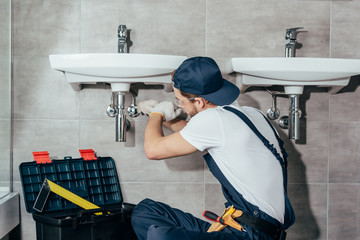
A plumbing emergency can turn a normal day into a stressful situation within minutes. A burst pipe, overflowing toilet, sewer backup, or major water leak can quickly damage flooring, walls, furniture, and personal belongings if the problem is not addressed immediately. While some plumbing issues can wait for a scheduled appointment, others require urgent professional attention to protect the home and restore essential services.
Knowing when to call an emergency plumber helps homeowners respond faster and avoid unnecessary damage. Understanding what happens during an emergency plumbing visit also makes it easier to stay calm and make informed decisions when every minute matters. Contact your local Emergency Plumber Westminster for more information.
What Is Considered a Plumbing Emergency?
A plumbing emergency is any problem that threatens the safety, sanitation, or structural condition of a property. Burst pipes, uncontrolled leaks, overflowing toilets, sewer backups, and complete loss of water service are common examples. These situations can worsen rapidly because water continues spreading until the source is stopped. Even a small opening in a pressurized pipe can release a significant amount of water in a short period. Immediate professional service helps limit damage and restore control.
Not every plumbing issue requires an emergency response, so homeowners should evaluate the severity of the problem. A slow-dripping faucet may be inconvenient, but it usually does not create the same immediate risk as water pouring through a ceiling. A single clogged sink may also be manageable unless several fixtures are backing up at once. Problems involving sewage, flooding, electrical hazards, or unavailable essential fixtures should receive urgent attention. Recognizing the difference helps homeowners choose the appropriate level of service.
When Should You Call an Emergency Plumber?
Homeowners should call an emergency plumber when water cannot be stopped or when a plumbing failure is causing active property damage. A burst supply line, leaking water heater, broken shutoff valve, or pipe failure behind a wall may require immediate repair. Water can travel beneath flooring and through structural cavities, making the affected area much larger than it initially appears. Delaying service allows moisture to reach additional building materials. Prompt action often reduces the cost and complexity of restoration.
Sewer backups also require urgent plumbing assistance because they create serious sanitation concerns. Wastewater entering sinks, showers, bathtubs, or floor drains may expose the home to harmful contaminants and unpleasant odors. Multiple slow drains or gurgling toilets can indicate a developing main sewer line problem before a complete backup occurs. Emergency evaluation helps determine the source and restore proper drainage. Sewage-related problems should never be ignored or treated as ordinary clogs.
What Should You Do Before the Plumber Arrives?
The first priority during many plumbing emergencies is stopping the water supply if it can be done safely. Homeowners should locate the nearest fixture shutoff valve or use the main water valve when the exact source cannot be isolated. Turning off the water reduces continued flooding while limiting damage to walls, flooring, and belongings. Knowing where the main shutoff is located before an emergency occurs can save valuable time. Every household should make this information easily accessible.
Homeowners should also protect themselves from electrical hazards near standing water. If water has reached outlets, appliances, wiring, or an electrical panel, the affected area should be avoided until it has been declared safe. Furniture, electronics, documents, and other valuables may be moved only when doing so does not create additional risk. Towels or containers may help control small amounts of water temporarily, but they should not replace professional repair. Safety should always come before property protection.
What Happens During an Emergency Plumbing Visit?
An emergency plumbing visit usually begins with a rapid assessment of the situation. The plumber identifies the active source of water, determines the severity of the failure, and takes immediate steps to prevent additional damage. This may involve shutting off a water line, isolating a damaged fixture, clearing a major blockage, or temporarily stabilizing a broken pipe. Stopping the emergency is the first priority before permanent repairs begin. Accurate diagnosis helps prevent unnecessary work.
Once the situation is under control, the plumber inspects the affected system more carefully. Pipes, valves, drains, fixtures, connections, and nearby materials may be examined for related damage. Specialized equipment may be used when the problem is hidden behind walls, beneath floors, or inside a sewer line. The homeowner is then informed about the recommended repair and any additional concerns discovered during the inspection. Clear communication helps homeowners understand the scope of the emergency.
What Types of Repairs Can an Emergency Plumber Perform?
Emergency plumbers are equipped to handle many urgent problems involving water supply lines, drains, toilets, water heaters, and sewer systems. Repairs may include replacing damaged pipe sections, fixing leaking connections, repairing broken valves, clearing severe clogs, or restoring water service. The specific solution depends on the cause of the emergency and the condition of the plumbing system. Some problems can be fully repaired during the initial visit. Others may require temporary stabilization followed by additional work.
If a pipe has failed because of corrosion, freezing, excessive pressure, or age, the plumber may inspect nearby sections for similar weakness. Repairing only the visible leak may not provide lasting protection if surrounding materials are also deteriorated. Sewer emergencies may require drain equipment or camera inspection to identify blockages, roots, or damaged pipe sections. A comprehensive evaluation helps reduce the chance of the same problem returning. Long-term reliability depends on addressing the underlying cause.
Why Is a Fast Response So Important?
Water damage spreads quickly because many building materials absorb moisture. Drywall, wood, insulation, cabinetry, and flooring can begin swelling, staining, or weakening soon after exposure. Water may also travel into areas that are not immediately visible, including wall cavities and subfloors. The longer these materials remain wet, the greater the likelihood of extensive repair work. Fast plumbing service helps stop the source before the affected area expands.
A quick response also lowers the risk of mold growth and poor indoor conditions. Moisture trapped inside structural materials can create an environment where mold begins developing if proper drying is delayed. Even after the plumbing problem is repaired, water removal and drying may still be necessary. Addressing the leak quickly gives homeowners a better chance of saving materials that might otherwise require replacement. Timely action protects both the property and the comfort of its occupants.
How Can Homeowners Prevent Plumbing Emergencies?
Routine plumbing maintenance helps reduce the likelihood of sudden failures. Homeowners should inspect exposed pipes, supply lines, shutoff valves, faucets, toilets, and water heaters for corrosion, moisture, or wear. Small leaks should be repaired promptly because they may indicate weakening components or loose connections. Replacing aging appliance hoses and damaged toilet parts can also prevent unexpected flooding. Preventive maintenance is usually more affordable than emergency restoration.
Responsible drain use also helps prevent serious blockages. Grease, cooking oil, food scraps, wipes, paper towels, and hygiene products should not be placed into drains or toilets. During cold weather, exposed pipes should be protected from freezing, especially in garages, crawl spaces, and exterior walls. Homeowners may also benefit from knowing the age and condition of their plumbing materials. Regular inspections make it easier to address problems before they become emergencies.
How Should You Choose an Emergency Plumber?
Choosing an emergency plumber involves more than finding someone who is available outside normal business hours. Homeowners should look for a professional who communicates clearly, performs a careful assessment, and explains repair options before beginning permanent work. The plumber should focus on stopping the emergency while also identifying the underlying cause. Detailed information helps homeowners understand what is being repaired and why. Clear service expectations reduce stress during an already difficult situation.
It is helpful to identify a trusted plumbing professional before an emergency occurs. Keeping contact information available prevents homeowners from rushing to make decisions while water is actively damaging the property. Routine maintenance visits can also help the plumber become familiar with the home’s plumbing system. This knowledge may make future diagnosis and repairs more efficient. Preparing in advance improves the household’s overall emergency response.
Final Thoughts
An emergency plumber provides essential assistance when a plumbing failure threatens a home’s safety, sanitation, or structural condition. Burst pipes, major leaks, sewer backups, overflowing fixtures, and water heater failures should be addressed quickly to prevent additional damage. Knowing how to shut off the water, avoid electrical hazards, and contact professional help allows homeowners to respond with greater confidence. Routine inspections and responsible plumbing habits can reduce the risk of future emergencies. When urgent problems do occur, prompt professional service helps restore the plumbing system while protecting the home from costly damage.