J&R Construction services form the backbone of any successful building project, whether it involves a residential home, a commercial facility, or a large-scale infrastructure development. These services encompass a wide range of activities, from initial planning and design to execution, management, and final delivery. For property owners and developers, understanding how construction services work is essential for making informed decisions, avoiding costly mistakes, and ensuring that the outcome aligns with expectations. A well-coordinated construction process not only delivers a structurally sound result but also maximizes efficiency, cost-effectiveness, and long-term value.
At its core, construction services involve transforming ideas into tangible structures. This process begins with a concept, which is then refined through careful planning and design. During this early phase, professionals assess the feasibility of the project, evaluate site conditions, and develop detailed plans that outline every aspect of the build. This includes architectural layouts, structural systems, and material specifications. Proper planning is critical because it sets the foundation for all subsequent construction. Without a clear and comprehensive plan, projects are more likely to encounter delays, budget overruns, and quality issues.
One of the most important aspects of construction services is project management. Effective project management ensures that all components of the construction process are aligned and executed according to schedule. This involves coordinating various teams, including architects, engineers, subcontractors, and suppliers. Each group plays a specific role, and their efforts must be synchronized to achieve a seamless workflow. A skilled project manager oversees these activities, monitors progress, and addresses challenges as they arise. This level of oversight is essential for maintaining momentum and ensuring that the project stays on track.
Another critical component of construction services is budgeting and cost control. Construction projects often involve significant financial investment, making it crucial to manage resources carefully. A detailed budget outlines expected expenses, including labor, materials, equipment, and permits. However, even the most planned budgets must account for unexpected costs. Factors such as changes in material prices, unforeseen site conditions, or design modifications can impact the overall budget. Construction professionals use cost control strategies to monitor spending, identify potential overruns, and implement solutions that keep the project financially viable.
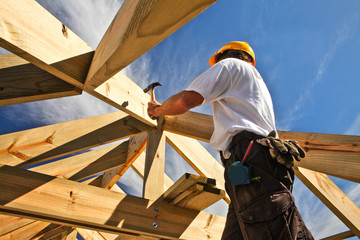
The construction phase is when plans come to life. This stage involves a series of coordinated activities that transform raw materials into a finished structure. It begins with site preparation, which may include clearing the land, grading, and establishing the foundation. The foundation is one of the most critical elements of any building, as it provides stability and supports the entire structure. Once the foundation is in place, the focus shifts to framing, which establishes the building’s framework. This is followed by the installation of essential systems such as plumbing, electrical wiring, and HVAC.
As construction progresses, attention turns to interior and exterior finishes. These involve installing walls, flooring, ceilings, and fixtures that define the building’s appearance and functionality. Finishing work requires a high level of precision and craftsmanship, as even small details can significantly impact the overall quality of the project. This stage also includes painting, cabinetry, and the installation of doors and windows. Each element must be carefully integrated to create a cohesive and polished final product.
To better understand the scope of construction services, consider the following key players involved in most projects:
- Pre-Construction Planning: feasibility studies, design development, budgeting, and scheduling to establish a clear roadmap for the project.
- Site Preparation and Foundation Work: Clearing, grading, and laying the foundation to ensure structural stability.
- Structural Construction: Building the framework, including walls, floors, and roofing systems that define the structure’s shape and strength.
- Systems Installation: Integrating plumbing, electrical, and HVAC systems to support functionality.
- Finishing and Finalization: Completing interior and exterior details, conducting inspections, and preparing the building for occupancy.
Each of these plays a vital role in the overall success of the project. Skipping or rushing any step can lead to complications that may compromise the quality or safety of the structure.
Quality assurance is another cornerstone of construction services. Throughout the project, regular inspections and evaluations are conducted to ensure that work meets established standards. This includes verifying that materials are used correctly, installations are выполнены properly, and safety protocols are followed. Quality control measures help identify issues early, allowing them to be addressed before they escalate into major problems. This proactive approach not only improves the outcome but also enhances the durability and reliability of the building.
Safety is a fundamental priority in construction services. Construction sites can present various hazards, including heavy machinery and electrical systems. Implementing strict safety protocols is essential for protecting workers and ensuring a secure environment. This includes providing proper training, using protective equipment, and adhering to established safety guidelines. A strong focus on safety not only reduces the risk of accidents but also contributes to the overall efficiency of the project.
In addition to traditional construction practices, modern construction services increasingly incorporate advanced technologies. Tools such as building information modeling (BIM), project management software, and automated equipment are transforming the industry. These technologies improve accuracy, streamline communication, and enhance decision-making. For example, BIM allows professionals to create detailed digital representations of a building, enabling them to identify potential issues as construction begins. This reduces errors and improves overall efficiency.
Sustainability is also becoming a central focus in construction services. Many projects now prioritize environmentally friendly practices, such as using sustainable materials, reducing waste, and improving energy efficiency. Green building techniques not only benefit the environment but also offer long-term advantages for property owners, including lower operating costs and increased property value. Incorporating sustainability into construction services reflects a growing awareness of the need for responsible development.
Another important consideration is the role of communication in construction projects. Clear and consistent communication among all parties is essential for avoiding misunderstandings and ensuring that everyone is aligned with the project goals. Regular updates, meetings, and progress reports help keep stakeholders informed and engaged in the process. Effective communication fosters collaboration and builds trust, which are critical for achieving a successful outcome.
To maximize the benefits of construction services, consider the following best practices:
- Define Clear Objectives: Establish your goals, budget, and timeline before starting the project to guide decision-making.
- Choose Experienced Professionals: Working with skilled and reputable teams ensures high-quality results and efficient execution.
- Monitor Progress Regularly: Stay involved in the process to address issues promptly and maintain alignment with your vision.
- Plan for the Long Term: Consider future maintenance, energy efficiency, and potential expansions when designing your project.
These practices help create a structured approach that supports both short-term success and long-term value.
Ultimately, construction services are about more than just building structures—they are about creating spaces that meet functional needs, reflect personal or organizational goals, and stand the test of time. From initial planning to completion, each stage requires careful coordination, expertise, and attention to detail. By understanding how construction services work and what to expect throughout the process, property owners can navigate their projects with confidence and achieve results that exceed expectations.
In conclusion, construction services provide a comprehensive framework for turning ideas into reality. They encompass every aspect of the building process, from design and planning to execution and finishing. With a strong emphasis on project management, quality assurance, and innovation, modern construction services deliver efficient, reliable, and sustainable solutions. Whether you are building a new property or undertaking a major renovation, investing in professional construction services is a critical step toward achieving a successful and lasting outcome.