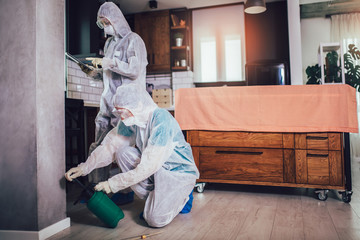
When pests invade a home, one of the first questions many homeowners ask is how much professional pest control will cost. Whether dealing with ants, spiders, cockroaches, rodents, termites, or other unwanted pests, the price of treatment can vary depending on several important factors. While it may be tempting to choose the lowest-priced option, the overall value of a pest control service often depends on the quality of the inspection, the treatment plan, and the long-term results. Understanding what influences pest control cost helps homeowners set realistic expectations and make informed decisions when comparing service providers. Investing in effective pest management can often prevent more expensive property damage and recurring infestations in the future. Visit https://www.benspest.biz/ for more details.
What Factors Affect Pest Control Cost?
Several factors determine the total cost of pest control services, and no two properties are exactly alike. One of the most significant considerations is the type of pest involved. Treating ants or spiders may require a different approach than eliminating rodents, termites, bed bugs, or cockroaches because each pest has unique behaviors and treatment requirements. The complexity of the infestation influences the amount of labor, equipment, and materials needed to resolve the problem. More challenging infestations generally require more comprehensive treatment plans.
The size of the property also plays an important role in determining pricing. Larger homes often require more time to inspect, treat, and monitor than smaller residences because there are more rooms, entry points, and potential hiding places. Multi-story homes, detached garages, crawl spaces, and extensive outdoor areas may increase the amount of work involved. Accessibility can also influence the time required to complete the service. Every property presents its own unique treatment requirements.
How Does the Type of Pest Influence Pricing?
Different pests require different treatment methods, which directly affects pest control cost. Common household insects such as ants, spiders, or silverfish may be managed with relatively straightforward treatment plans. In contrast, termites, bed bugs, rodents, and wildlife often require specialized inspections, advanced equipment, multiple treatment visits, or ongoing monitoring. The more complex the pest problem becomes, the greater the investment typically required to achieve effective results. Treatment strategies vary according to the biology and behavior of each pest.
Some pests also require follow-up visits to confirm that the infestation has been completely eliminated. Rodents, termites, and bed bugs may remain hidden even after the initial treatment, making additional inspections necessary to evaluate progress. Certain pests reproduce rapidly, requiring ongoing monitoring before technicians can confidently determine that the problem has been resolved. These additional services naturally influence the overall cost of treatment. Comprehensive pest management often provides greater long-term value than a single visit.
Does the Severity of the Infestation Affect Cost?
The extent of the infestation is another major factor that influences pricing. A small problem detected early is often easier and less expensive to manage than a widespread infestation that has been developing for months. Minor pest activity may require only limited treatment in specific areas of the home, while larger infestations frequently involve multiple rooms, hidden nesting locations, or structural voids. Greater infestation levels generally require more time and resources to resolve. Early detection often reduces treatment expenses.
Hidden infestations can also increase restoration requirements after the pests have been eliminated. Rodents may damage insulation and electrical wiring, while termites can weaken wooden structural components over time. Additional repairs may become necessary if pests have caused extensive property damage before treatment begins. Addressing pest problems promptly helps reduce both treatment costs and repair expenses. Acting early often provides the greatest financial benefit.
Is One-Time Pest Control or Ongoing Service More Affordable?
Some homeowners only require a one-time pest control service to address an isolated problem. This option may be appropriate when a small infestation has been identified early and there are no signs of recurring pest activity. A single visit typically includes an inspection, treatment, and recommendations for preventing future infestations. For certain situations, this approach provides an effective solution without requiring ongoing service. The suitability of a one-time treatment depends on the type of pest involved.
Ongoing pest control plans often provide better long-term value for homeowners who want year-round protection. Routine inspections allow technicians to identify developing pest activity before it becomes a serious infestation. Preventative treatments, monitoring, and maintenance help reduce the likelihood of recurring problems throughout the year. Although ongoing service involves recurring costs, it may reduce the need for more expensive emergency treatments later. Preventive maintenance often lowers overall pest management expenses over time.
What Should Be Included in a Professional Pest Control Service?
A quality pest control service includes much more than simply applying treatment products. The process usually begins with a detailed inspection to identify the type of pest, locate nesting areas, determine entry points, and evaluate conditions that encourage pest activity. This information allows technicians to develop a treatment plan tailored to the property’s specific needs. Accurate diagnosis is one of the most valuable parts of professional pest management. Effective treatment begins with careful evaluation.
Professional services also commonly include recommendations for preventing future infestations. Homeowners may receive guidance regarding sanitation, moisture control, structural repairs, landscaping improvements, and food storage practices that reduce pest activity. Some treatment plans include follow-up inspections to monitor progress and confirm that pests have been successfully controlled. Comprehensive service provides greater value than treatment alone. Prevention is an essential part of long-term pest management.
How Can Homeowners Get the Best Value for Their Money?
Choosing pest control based solely on the lowest price may not always provide the best outcome. A low-cost treatment that fails to address the root cause of the infestation may result in repeated service calls and higher expenses over time. Comparing inspection quality, treatment methods, follow-up services, and preventative recommendations often provides a more accurate picture of overall value. Long-term effectiveness is just as important as the initial price. Quality service often reduces future costs.
Obtaining multiple estimates can also help homeowners understand what is included in different service plans. Asking questions about warranties, follow-up visits, inspection procedures, and preventative maintenance allows meaningful comparisons between providers. A detailed estimate should clearly explain the recommended treatment strategy and any additional services that may be required. Understanding exactly what is included helps homeowners make informed decisions. Careful comparison supports better long-term value.
Can Preventative Pest Control Save Money?
Preventative pest control is often one of the most cost-effective ways to protect a home from future infestations. Routine inspections help identify developing problems before pests establish large populations or cause extensive property damage. Addressing small issues early generally requires less treatment than eliminating widespread infestations later. Preventive care also reduces the likelihood of emergency service calls that may involve additional expenses. Consistent maintenance supports lower long-term costs.
Regular property maintenance also contributes to pest prevention by making the home less attractive to insects and rodents. Sealing entry points, repairing plumbing leaks, storing food properly, and maintaining clean indoor and outdoor environments reduce opportunities for pests to survive. These simple habits complement professional pest control services while helping maximize their effectiveness. Preventive efforts protect both the home and the homeowner’s budget. A proactive approach often delivers the greatest overall value.
Final Thoughts
Pest control cost depends on several factors, including the type of pest, the severity of the infestation, the size of the property, and whether one-time or ongoing service is needed. While pricing varies from one situation to another, choosing a professional service that provides thorough inspections, targeted treatments, and preventative recommendations often delivers the best long-term value. Addressing pest problems early and investing in routine maintenance can reduce future repair costs while helping maintain a healthier, more comfortable home. Understanding what influences pest control cost allows homeowners to compare services confidently and choose the solution that best meets their needs.