
Pest Control Cost: What Homeowners Should Expect to Pay

When pests invade a home, one of the first questions many homeowners ask is how much professional pest control will cost. Whether dealing with ants, spiders, cockroaches, rodents, termites, or other unwanted pests, the price of treatment can vary depending on several important factors. While it may be tempting to choose the lowest-priced option, the overall value of a pest control service often depends on the quality of the inspection, the treatment plan, and the long-term results. Understanding what influences pest control cost helps homeowners set realistic expectations and make informed decisions when comparing service providers. Investing in effective pest management can often prevent more expensive property damage and recurring infestations in the future. Visit https://www.benspest.biz/ for more details.

What Factors Affect Pest Control Cost?

Several factors determine the total cost of pest control services, and no two properties are exactly alike. One of the most significant considerations is the type of pest involved. Treating ants or spiders may require a different approach than eliminating rodents, termites, bed bugs, or cockroaches because each pest has unique behaviors and treatment requirements. The complexity of the infestation influences the amount of labor, equipment, and materials needed to resolve the problem. More challenging infestations generally require more comprehensive treatment plans.

The size of the property also plays an important role in determining pricing. Larger homes often require more time to inspect, treat, and monitor than smaller residences because there are more rooms, entry points, and potential hiding places. Multi-story homes, detached garages, crawl spaces, and extensive outdoor areas may increase the amount of work involved. Accessibility can also influence the time required to complete the service. Every property presents its own unique treatment requirements.

How Does the Type of Pest Influence Pricing?

Different pests require different treatment methods, which directly affects pest control cost. Common household insects such as ants, spiders, or silverfish may be managed with relatively straightforward treatment plans. In contrast, termites, bed bugs, rodents, and wildlife often require specialized inspections, advanced equipment, multiple treatment visits, or ongoing monitoring. The more complex the pest problem becomes, the greater the investment typically required to achieve effective results. Treatment strategies vary according to the biology and behavior of each pest.

Some pests also require follow-up visits to confirm that the infestation has been completely eliminated. Rodents, termites, and bed bugs may remain hidden even after the initial treatment, making additional inspections necessary to evaluate progress. Certain pests reproduce rapidly, requiring ongoing monitoring before technicians can confidently determine that the problem has been resolved. These additional services naturally influence the overall cost of treatment. Comprehensive pest management often provides greater long-term value than a single visit.

Does the Severity of the Infestation Affect Cost?

The extent of the infestation is another major factor that influences pricing. A small problem detected early is often easier and less expensive to manage than a widespread infestation that has been developing for months. Minor pest activity may require only limited treatment in specific areas of the home, while larger infestations frequently involve multiple rooms, hidden nesting locations, or structural voids. Greater infestation levels generally require more time and resources to resolve. Early detection often reduces treatment expenses.

Hidden infestations can also increase restoration requirements after the pests have been eliminated. Rodents may damage insulation and electrical wiring, while termites can weaken wooden structural components over time. Additional repairs may become necessary if pests have caused extensive property damage before treatment begins. Addressing pest problems promptly helps reduce both treatment costs and repair expenses. Acting early often provides the greatest financial benefit.

Is One-Time Pest Control or Ongoing Service More Affordable?

Some homeowners only require a one-time pest control service to address an isolated problem. This option may be appropriate when a small infestation has been identified early and there are no signs of recurring pest activity. A single visit typically includes an inspection, treatment, and recommendations for preventing future infestations. For certain situations, this approach provides an effective solution without requiring ongoing service. The suitability of a one-time treatment depends on the type of pest involved.

Ongoing pest control plans often provide better long-term value for homeowners who want year-round protection. Routine inspections allow technicians to identify developing pest activity before it becomes a serious infestation. Preventative treatments, monitoring, and maintenance help reduce the likelihood of recurring problems throughout the year. Although ongoing service involves recurring costs, it may reduce the need for more expensive emergency treatments later. Preventive maintenance often lowers overall pest management expenses over time.

What Should Be Included in a Professional Pest Control Service?

A quality pest control service includes much more than simply applying treatment products. The process usually begins with a detailed inspection to identify the type of pest, locate nesting areas, determine entry points, and evaluate conditions that encourage pest activity. This information allows technicians to develop a treatment plan tailored to the property’s specific needs. Accurate diagnosis is one of the most valuable parts of professional pest management. Effective treatment begins with careful evaluation.

Professional services also commonly include recommendations for preventing future infestations. Homeowners may receive guidance regarding sanitation, moisture control, structural repairs, landscaping improvements, and food storage practices that reduce pest activity. Some treatment plans include follow-up inspections to monitor progress and confirm that pests have been successfully controlled. Comprehensive service provides greater value than treatment alone. Prevention is an essential part of long-term pest management.

How Can Homeowners Get the Best Value for Their Money?

Choosing pest control based solely on the lowest price may not always provide the best outcome. A low-cost treatment that fails to address the root cause of the infestation may result in repeated service calls and higher expenses over time. Comparing inspection quality, treatment methods, follow-up services, and preventative recommendations often provides a more accurate picture of overall value. Long-term effectiveness is just as important as the initial price. Quality service often reduces future costs.

Obtaining multiple estimates can also help homeowners understand what is included in different service plans. Asking questions about warranties, follow-up visits, inspection procedures, and preventative maintenance allows meaningful comparisons between providers. A detailed estimate should clearly explain the recommended treatment strategy and any additional services that may be required. Understanding exactly what is included helps homeowners make informed decisions. Careful comparison supports better long-term value.

Can Preventative Pest Control Save Money?

Preventative pest control is often one of the most cost-effective ways to protect a home from future infestations. Routine inspections help identify developing problems before pests establish large populations or cause extensive property damage. Addressing small issues early generally requires less treatment than eliminating widespread infestations later. Preventive care also reduces the likelihood of emergency service calls that may involve additional expenses. Consistent maintenance supports lower long-term costs.

Regular property maintenance also contributes to pest prevention by making the home less attractive to insects and rodents. Sealing entry points, repairing plumbing leaks, storing food properly, and maintaining clean indoor and outdoor environments reduce opportunities for pests to survive. These simple habits complement professional pest control services while helping maximize their effectiveness. Preventive efforts protect both the home and the homeowner’s budget. A proactive approach often delivers the greatest overall value.

Final Thoughts

Pest control cost depends on several factors, including the type of pest, the severity of the infestation, the size of the property, and whether one-time or ongoing service is needed. While pricing varies from one situation to another, choosing a professional service that provides thorough inspections, targeted treatments, and preventative recommendations often delivers the best long-term value. Addressing pest problems early and investing in routine maintenance can reduce future repair costs while helping maintain a healthier, more comfortable home. Understanding what influences pest control cost allows homeowners to compare services confidently and choose the solution that best meets their needs.

What Are Roofing Services? A Complete Guide to Protecting Your Home

A roof is one of the most important parts of any home, yet it is often overlooked until a problem appears. A small leak, missing shingle, or damaged flashing can quickly become a bigger issue if it isn’t addressed. Quality roofing services help homeowners protect their property from water, weather, and everyday wear. They can also improve energy efficiency, appearance, and a home’s overall value. Understanding what roofing services include helps homeowners spot problems early and make informed decisions about roof care. Visit Website for more information.

What Are Roofing Services?

roofing

Roofing services cover a wide range of work designed to install, maintain, repair, and replace roofing systems. These services can apply to different roof styles and materials, including shingles, metal, tile, and other roofing products. Professional roofing work generally begins with an assessment of the roof’s current condition. This allows potential problems to be identified before repairs or other work begins. A thorough assessment can also help determine whether a roof needs a minor repair, maintenance, or more extensive work.

Roofing services are not limited to fixing visible damage. They can also include inspections, maintenance, leak detection, flashing repairs, ventilation improvements, and complete roof replacement. Each service addresses a different aspect of roof performance. Regular attention can help prevent minor concerns from developing into expensive structural problems. By understanding the different types of roofing services available, homeowners can better determine what their property needs.

Roof Inspection and Maintenance

Roof inspections are an important part of maintaining a safe and functional roofing system. An inspection can reveal damaged shingles, cracked materials, loose components, deteriorated flashing, blocked drainage areas, and other concerns. Some problems may not be obvious from the ground, which is why a closer examination can be valuable. Early detection allows homeowners to address issues before they cause significant interior or structural damage. Regular inspections can be especially useful after severe weather or when an older roof begins showing signs of wear.

Routine maintenance can also extend the useful life of a roof. Cleaning debris, checking drainage systems, inspecting flashing, and monitoring areas where water may collect can help keep the roof in better condition. Maintenance does not eliminate the possibility of damage, but it can reduce the likelihood of preventable problems. Keeping records of inspections and repairs can also help homeowners understand how the roof has changed over time. A consistent maintenance approach is generally more manageable than waiting until a major roofing problem develops.

Roof Repair Services

Roof repairs are designed to address specific areas of damage without necessarily replacing the entire roofing system. Common repair needs can involve leaks, damaged shingles, cracked materials, loose flashing, or problems around roof openings. The correct repair depends on the cause and extent of the damage. Simply covering a visible leak without identifying its source may only provide a temporary solution. Proper diagnosis is therefore an important part of effective roof repair.

Prompt repairs can help prevent water from reaching insulation, ceilings, walls, and other parts of the home. Even a relatively small leak can create moisture-related problems if it continues for an extended period. Homeowners may notice warning signs such as water stains, damp areas, unusual odors, or visible roof damage. Addressing these signs early can reduce the risk of more extensive repairs. A properly completed repair should restore the affected area while helping prevent the same problem from returning.

Roof Replacement Services

There comes a point when repairs may no longer be the most practical solution. A roof that has extensive damage, widespread deterioration, or reached the end of its expected service life may require replacement. Roof replacement involves removing the existing roofing materials and preparing the underlying surface for a new system. The process may also involve replacing damaged decking or other components when necessary. A complete replacement can provide a fresh roofing system designed to offer long-term protection.

Choosing to replace a roof is a significant decision, so homeowners should consider several factors before moving forward. The condition of the existing roof, the age of the materials, the home’s design, and the desired durability can all influence the decision. Homeowners should also consider ventilation and drainage because these systems affect the performance and longevity of the new roof. Selecting appropriate materials can improve both appearance and functionality. A well-planned replacement can provide reliable protection while reducing the need for frequent repairs.

Choosing the Right Roofing Materials

Roofing materials have a major influence on the appearance, durability, maintenance needs, and performance of a roof. Asphalt shingles are widely used because they are available in various styles and can provide practical protection. Metal roofing is another option that can offer durability and a distinct appearance. Tile and other specialty materials may also be suitable depending on the structure and design of the home. Each material has its own characteristics, advantages, and maintenance requirements.

Climate and environmental conditions should also be considered when selecting roofing materials. A roof must be able to handle exposure to sunlight, wind, rain, temperature changes, and moisture. The slope and structure of the roof can influence which materials are appropriate as well. Homeowners should also consider how long they expect the roofing system to remain in place and how much maintenance they are willing to perform. Making a thoughtful material choice can contribute to better long-term performance and satisfaction.

Roofing Ventilation and Drainage

Proper ventilation is an important but sometimes overlooked part of roofing performance. A well-ventilated roof can help regulate temperature and moisture levels in the attic area. Without adequate ventilation, excessive heat and moisture can contribute to problems involving insulation, wood components, and roofing materials. Moisture buildup may also contribute to mold or deterioration under certain conditions. Evaluating ventilation during roofing work can therefore help protect both the roof and the structure beneath it.

Drainage is equally important because water needs a clear path away from the roof. Gutters, downspouts, roof slopes, and drainage areas work together to direct rainwater away from vulnerable parts of the home. Blockages or damaged drainage components can cause water to accumulate where it should not. Over time, standing or improperly directed water can contribute to leaks and material deterioration. Keeping drainage systems clean and functioning properly is a simple but valuable part of overall roof care.

Signs That Your Roof Needs Attention

Homeowners should pay attention to signs that may indicate a roofing problem. Missing, cracked, curled, or damaged roofing materials can suggest that the roof is beginning to deteriorate. Water stains on ceilings or walls may also indicate that moisture is entering through the roofing system. Other warning signs can include damaged flashing, sagging areas, excessive granules in gutters, or visible gaps around roof openings. Recognizing these issues early can make it easier to determine what type of roofing service may be needed.

The age of a roof can also influence whether professional evaluation is appropriate. Even when a roof appears acceptable from the ground, hidden deterioration can develop beneath the surface. Regular inspections can provide a clearer picture of its condition. Homeowners should not wait for a major leak before considering an inspection, particularly if the roof has experienced severe weather or shows visible signs of wear. Early attention can help protect the home and potentially reduce repair costs.

Why Professional Roofing Services Matter

Roofing work requires knowledge of materials, installation techniques, safety practices, and building requirements. A professional approach can help ensure that problems are properly diagnosed rather than treated only at the surface. Proper installation is especially important because even high-quality roofing materials can perform poorly when they are installed incorrectly. Experienced roofing professionals can also identify related concerns that homeowners may not notice. This can help create a more complete approach to roof maintenance and repair.

Professional roofing services can also save homeowners time and reduce the risks associated with working at height. Roofing projects often involve ladders, steep surfaces, specialized equipment, and heavy materials. Attempting complex repairs without the appropriate experience can result in personal injury or additional property damage. Having qualified professionals handle demanding roofing work allows homeowners to focus on the outcome rather than the hazards of the process. The goal is to maintain a roofing system that provides dependable protection for the home.

Final Thoughts

Roofing services play an essential role in keeping a home protected, comfortable, and structurally sound. From routine inspections and maintenance to repairs and complete replacements, each service addresses different roofing needs. Understanding warning signs and responding to problems early can help prevent minor damage from becoming a major concern. Choosing suitable materials and maintaining proper ventilation and drainage can also improve the long-term performance of a roof. With regular care and timely professional attention, homeowners can keep their roofing system in better condition and enjoy greater peace of mind.

The DOT SAP Program

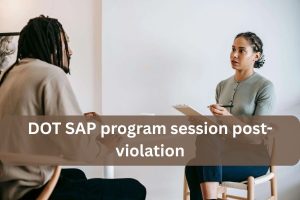
The DOT SAP Program emphasizes responsibility and second chances in the transportation industry. It outlines a structured return-to-duty process for drivers who violate DOT drug and alcohol regulations.

SAP Program

The first step is a mandatory assessment by a DOT Substance Abuse Professional. Then comes treatment and education programs, which may vary in duration and type.

SAP Build Apps is a no-code, low-stack development platform that helps businesses build apps for native mobile use and web. It also offers back-end integration capabilities and is built on the SAP Business Technology Platform. The platform has a user interface that allows developers to create apps using a drag and drop tool. It also provides a variety of pre-built modules and templates to choose from. It supports multiple languages and can be used with a wide variety of devices.

In a field as safety-critical as trucking, the Department of Transportation (DOT) requires that all employees are 100% drug and alcohol free. The DOT SAP Program, or Substance Abuse Professional Program, serves as the bridge for transport workers who violate these regulations to return to work. Unlike many other similar programs, the SAP process is not about punishment; it’s about recovery and keeping everyone on the roads safe.

The DOT SAP program is a vital part of ensuring a safe work environment in the trucking industry. It’s important for both current and new drivers to understand the program so that they can avoid violations. In this blog post, we will explore what the SAP program is, how it contributes to a safe workplace, and what current and new drivers need to know about it.

Once a person has failed a DOT mandated drug test, they will need to undergo a SAP evaluation. This is a vital step in ensuring that the individual can safely return to their job. The evaluation is conducted by a certified SAP who will evaluate the individual and recommend appropriate treatment or education. Once the individual has completed their treatment, they will be able to return to their jobs performing safety-sensitive duties.

The DOT SAP program is not only a critical aspect of worker safety, but it also helps to improve the employability of transport workers. Many employers will be hesitant to hire a driver who has a history of substance abuse. However, the DOT SAP program can help them prove that they have a clean record and are committed to a drug-free lifestyle. This can give them a competitive edge in the job market.

SAP Build Code

SAP Build Code is an artificial intelligence-based tool that enables developers to create applications quickly and efficiently. It offers a turnkey environment for coding, testing, integrations and application lifecycle management. It is optimized for Java and JavaScript, enabling developers to build and extend SAP systems with a high level of productivity. The tool is also integrated with Joule copilot, a generative AI code generation engine that simplifies development by automating many tasks. This allows developers to focus on the business logic of their applications. It also offers guided experiences based on SAP best practices.

The DOT SAP Program is a vital process for workers in safety-sensitive jobs, particularly in the transportation industry. If a DOT worker fails a mandated drug test, they must undergo an evaluation by a SAP and successfully complete a treatment or education plan before returning to work. Although this can be stressful for some drivers, it is not meant to punish them; it’s about ensuring the safety of everyone on the roads.

A DOT SAP can help you choose the right treatment or educational plan for your needs, and they can guide you in the proper direction. They will also recommend follow-up testing to ensure that you have fully reformed your habits. This can improve your employability, especially if you have a strong safety record in the trucking industry. However, you must be committed to the program and follow its guidelines carefully.

Special access programs (SAPs) in the US federal government are security protocols that provide highly classified information with safeguards and accessibility restrictions that exceed those of regular (collateral) classified information. They can be used for anything from COMSEC maintenance to presidential transportation support, and they require specialized markings and other unique requirements.

SAP Build Process Automation

The SAP Build family of solutions includes a full range of low/no-code tools to help developers and business users create apps and automate processes. It is an easy-to-use cloud-based solution for enterprise application development. Its drag-and-drop functionality simplifies UI design and integration, and supports a wide variety of data sources. This platform also helps to streamline development cycles by facilitating collaboration and enabling fusion teams. It can be used to design a business process or task automation, and can be integrated with both SAP and non-SAP systems. It can even handle unmodeled, “naturally grown” processes, for which no APIs are available.

The DOT SAP Program isn’t designed to slap drivers around the wrist, but rather to provide them with the resources necessary to address substance abuse issues and return to work. The program requires a detailed return-to-duty process, and is intended to ensure that drivers are fit for safety-sensitive duties before they can resume driving on the highways. The program can also have a positive impact on a driver’s employability, as trucking employers place a high value on safety records.

Once a DOT SAP Program participant has successfully completed the program, they must be cleared for safe, sober driving by an approved DOT SAP provider. This can be a specialized drug-testing facility or an addiction treatment center. Once they are cleared, the DOT SAP Program provides follow-up evaluations and ongoing support. In addition, the program also outlines an exit strategy in case of a relapse.

Using SAP Build, users can create a business process via a graphical interface and can add and manage form elements for collecting information and passing it on during the workflow. They can also set up various trigger types and monitor the progress of a process. The platform also allows users to create automated tasks that can be triggered by specific events or inserted as additional steps in the business process. Additionally, users can connect external skills and capabilities to their business processes through action projects. These projects can be created in the lobby or imported from a store.

SAP Build Work Zone

SAP Build Work Zone is a digital workspace solution that allows employees to access business applications, processes, and data in one place. It provides a personalized, intuitive user experience that enhances productivity and collaboration. In addition, it integrates with different SAP and third-party systems to streamline workflows and improve accessibility to essential tools.

It provides AI augmented activities, actionable tasks and integrated data and business applications for a personalized user experience across devices. In addition, it offers an enterprise-grade mobile infrastructure that supports secure and fast access to your business data wherever you are.

The platform includes an advanced search capability that enables you to find content quickly and easily, even in complex environments. You can also customize the user experience by selecting different categories for searches and adding filters. The application also supports a variety of content types, including documents, images, videos and audio files. You can even add custom applications to the Site Menu and Workpages.

A workpage is a single page within SAP Build Work Zone that combines several content artifacts to provide an engaging and useful user-facing experience. For example, you can create a custom homepage that reflects the specific needs of your team and company. You can also include a calendar to display important events, and a knowledge base to store and share articles with your workspace members.

Workpages can be accessed via the SAP Build Work Zone header bar or by clicking on the SAP logo on the left side of the screen. They can also be accessed from within an individual workspace or a project. The workpages feature a customizable header that includes icons to help users navigate the various features of the platform.

Managing your SAP applications on Google Cloud is simple and fast, thanks to automated deployment options from SAP and Google. These options deploy the Google Cloud infrastructure and SAP solutions, ensuring that they meet SAP’s certification requirements for hardware, software, operating system, disk configuration and sizing and database clustering and installation.

In addition, if an issue occurs that affects your SAP solutions, you can open a ticket with either SAP or Google Cloud Customer Care. If the root cause appears to be an issue with your Google Cloud infrastructure, SAP Customer Care will route your request to Google Cloud Customer Care.

Whispers of the Earth: The Silent Art of Transformative Landscaping

Landscaping begins as a quiet conversation between human hands and the ground beneath them. It is not just the act of placing plants or arranging stones. It is the subtle shaping of space to echo emotion. Every curve of soil carries an intention unspoken yet deeply felt.

Landscaping

The soul of landscaping lies in its power to tell stories without words. A single arching path can mirror a personal journey. A patch of moss may hold the serenity of forgotten memories. Each choice of texture becomes a whisper of meaning. Visit https://oceaniclandscaping.com/ to learn more.

Landscapes thrive when they evolve with time rather than resist it. Wind alters patterns, rain deepens hues, and light dances differently with every season. The most beautiful spaces breathe with the world. They are never frozen in perfection.

There is mystery in the way a garden can slow the heart. Its quietness becomes a gentle anchor for restless minds. The rustle of leaves feels like a lullaby. Stillness gathers like soft mist among the roots.

To create such living canvases, imagination must be brave. One must dare to blend the delicate with the raw. A rugged stone beside a fragile bloom speaks of harmony. Contrasts make the eye linger and the spirit pause.

True landscaping does not chase trends or mimic patterns. It rises from the essence of the land itself. The slope of a hill, the grain of the soil, and the play of shadows all shape its form. Authenticity gives it soul.

Every plant chosen carries an unspoken responsibility. It will grow, adapt, and claim its space with quiet persistence. When plants are placed with care, they weave a silent choreography. Each leaf becomes part of a greater rhythm.

The beauty of landscaping is never only for the eyes. Fragrance clings to the air like a memory that refuses to fade. The soft crumble of soil grounds wandering thoughts. Even the temperature of shaded air tells its own story.

Landscaping becomes art when it refuses to end at the boundary of sight. A space can guide footsteps toward wonder. It can hold the weight of solitude without feeling empty. It becomes a vessel for emotion itself.

The secret lies in respecting emptiness as much as fullness. Open space allows the mind to breathe. It draws attention to what surrounds it. Silence in design can be as powerful as color or form.

Water within a landscape adds a voice that cannot be imitated. Its movement sings of passage and return. Still water reflects the sky, holding fragments of clouds like secrets. Flowing water cleanses the spirit with its song.

The textures of stone tell stories older than words. Smooth edges recall patience shaped by time. Jagged surfaces echo the raw pulse of the earth. They ground the design in something ancient and enduring.

Light is the painter of any landscape. It drifts and bends with the turning hours, revealing new scenes. Shadows stretch and retreat like breaths. The space transforms with every passing sunbeam.

Seasonal change gives a landscape its heartbeat. Budding life awakens like soft murmurs. Colors flare before falling into rest. Even decay becomes part of the rhythm, holding beauty of its own.

Landscaping also shapes how people move and feel. A meandering path can slow hurried steps. Hidden corners invite quiet moments. The body responds to the space long before the mind notices.

At its core, landscaping celebrates relationships. It unites earth, air, water, and light into fleeting harmony. These elements hold hands for a moment in time. That moment becomes an offering to those who enter.

A well-loved landscape bears the fingerprints of care. Each tending gesture writes an invisible note. Over time, it grows more personal and intimate. It becomes less a project and more a living companion.

Landscaping invites wildness while guiding it gently. It honors nature’s will without surrendering form. It is not domination but dialogue. The hand of the designer is present yet never loud.

Such spaces can mend the mind in quiet ways. They offer escape without demanding departure. The heart feels held by the embrace of green and stone. The world softens around the edges.

There is no single recipe for wonder in landscaping. Its success is measured in sighs, not blueprints. When someone forgets time among the leaves, the work has succeeded. That is its truest praise.

The process begins in patience and ends in patience. Growth cannot be rushed nor beauty forced. The land teaches this lesson without words. It shapes the spirit as much as the space.

Landscaping is a promise whispered into soil. It says that care can become visible. It believes that harmony can be grown. And with time, the earth answers softly.

As roots settle and stones warm beneath the sun, the design fades into something more eternal. It no longer feels made. It feels inevitable. The landscape becomes part of the earth’s own voice.

Even the smallest landscape can contain infinity. A single leaf can mirror the pattern of a forest. A single drop of dew can echo the weight of oceans. The scale of wonder is never tied to size.

In time, a landscape becomes more than a place. It becomes an emotion rooted in the ground. Those who walk through it carry fragments of its stillness within them. They return lighter than when they arrived.

Landscaping teaches the art of surrender as much as creation. It shows how control can dissolve into trust. When hands release the soil, life continues weaving its tapestry. The land remembers every kindness offered to it.

The essence of landscaping is not perfection but resonance. It hums softly with the pulse of the earth. It asks nothing yet gives peace. And in its silence, it heals.

This is the silent art that waits beneath every handful of soil. It is quiet yet unrelenting. It transforms both space and soul. And it always begins with listening.