A roof is one of the most important parts of any home, yet it is often overlooked until a problem appears. A small leak, missing shingle, or damaged flashing can quickly become a bigger issue if it isn’t addressed. Quality roofing services help homeowners protect their property from water, weather, and everyday wear. They can also improve energy efficiency, appearance, and a home’s overall value. Understanding what roofing services include helps homeowners spot problems early and make informed decisions about roof care. Visit Website for more information.
What Are Roofing Services?
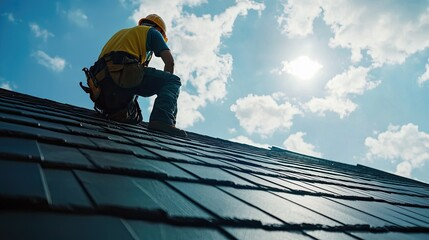
Roofing services cover a wide range of work designed to install, maintain, repair, and replace roofing systems. These services can apply to different roof styles and materials, including shingles, metal, tile, and other roofing products. Professional roofing work generally begins with an assessment of the roof’s current condition. This allows potential problems to be identified before repairs or other work begins. A thorough assessment can also help determine whether a roof needs a minor repair, maintenance, or more extensive work.
Roofing services are not limited to fixing visible damage. They can also include inspections, maintenance, leak detection, flashing repairs, ventilation improvements, and complete roof replacement. Each service addresses a different aspect of roof performance. Regular attention can help prevent minor concerns from developing into expensive structural problems. By understanding the different types of roofing services available, homeowners can better determine what their property needs.
Roof Inspection and Maintenance
Roof inspections are an important part of maintaining a safe and functional roofing system. An inspection can reveal damaged shingles, cracked materials, loose components, deteriorated flashing, blocked drainage areas, and other concerns. Some problems may not be obvious from the ground, which is why a closer examination can be valuable. Early detection allows homeowners to address issues before they cause significant interior or structural damage. Regular inspections can be especially useful after severe weather or when an older roof begins showing signs of wear.
Routine maintenance can also extend the useful life of a roof. Cleaning debris, checking drainage systems, inspecting flashing, and monitoring areas where water may collect can help keep the roof in better condition. Maintenance does not eliminate the possibility of damage, but it can reduce the likelihood of preventable problems. Keeping records of inspections and repairs can also help homeowners understand how the roof has changed over time. A consistent maintenance approach is generally more manageable than waiting until a major roofing problem develops.
Roof Repair Services
Roof repairs are designed to address specific areas of damage without necessarily replacing the entire roofing system. Common repair needs can involve leaks, damaged shingles, cracked materials, loose flashing, or problems around roof openings. The correct repair depends on the cause and extent of the damage. Simply covering a visible leak without identifying its source may only provide a temporary solution. Proper diagnosis is therefore an important part of effective roof repair.
Prompt repairs can help prevent water from reaching insulation, ceilings, walls, and other parts of the home. Even a relatively small leak can create moisture-related problems if it continues for an extended period. Homeowners may notice warning signs such as water stains, damp areas, unusual odors, or visible roof damage. Addressing these signs early can reduce the risk of more extensive repairs. A properly completed repair should restore the affected area while helping prevent the same problem from returning.
Roof Replacement Services
There comes a point when repairs may no longer be the most practical solution. A roof that has extensive damage, widespread deterioration, or reached the end of its expected service life may require replacement. Roof replacement involves removing the existing roofing materials and preparing the underlying surface for a new system. The process may also involve replacing damaged decking or other components when necessary. A complete replacement can provide a fresh roofing system designed to offer long-term protection.
Choosing to replace a roof is a significant decision, so homeowners should consider several factors before moving forward. The condition of the existing roof, the age of the materials, the home’s design, and the desired durability can all influence the decision. Homeowners should also consider ventilation and drainage because these systems affect the performance and longevity of the new roof. Selecting appropriate materials can improve both appearance and functionality. A well-planned replacement can provide reliable protection while reducing the need for frequent repairs.
Choosing the Right Roofing Materials
Roofing materials have a major influence on the appearance, durability, maintenance needs, and performance of a roof. Asphalt shingles are widely used because they are available in various styles and can provide practical protection. Metal roofing is another option that can offer durability and a distinct appearance. Tile and other specialty materials may also be suitable depending on the structure and design of the home. Each material has its own characteristics, advantages, and maintenance requirements.
Climate and environmental conditions should also be considered when selecting roofing materials. A roof must be able to handle exposure to sunlight, wind, rain, temperature changes, and moisture. The slope and structure of the roof can influence which materials are appropriate as well. Homeowners should also consider how long they expect the roofing system to remain in place and how much maintenance they are willing to perform. Making a thoughtful material choice can contribute to better long-term performance and satisfaction.
Roofing Ventilation and Drainage
Proper ventilation is an important but sometimes overlooked part of roofing performance. A well-ventilated roof can help regulate temperature and moisture levels in the attic area. Without adequate ventilation, excessive heat and moisture can contribute to problems involving insulation, wood components, and roofing materials. Moisture buildup may also contribute to mold or deterioration under certain conditions. Evaluating ventilation during roofing work can therefore help protect both the roof and the structure beneath it.
Drainage is equally important because water needs a clear path away from the roof. Gutters, downspouts, roof slopes, and drainage areas work together to direct rainwater away from vulnerable parts of the home. Blockages or damaged drainage components can cause water to accumulate where it should not. Over time, standing or improperly directed water can contribute to leaks and material deterioration. Keeping drainage systems clean and functioning properly is a simple but valuable part of overall roof care.
Signs That Your Roof Needs Attention
Homeowners should pay attention to signs that may indicate a roofing problem. Missing, cracked, curled, or damaged roofing materials can suggest that the roof is beginning to deteriorate. Water stains on ceilings or walls may also indicate that moisture is entering through the roofing system. Other warning signs can include damaged flashing, sagging areas, excessive granules in gutters, or visible gaps around roof openings. Recognizing these issues early can make it easier to determine what type of roofing service may be needed.
The age of a roof can also influence whether professional evaluation is appropriate. Even when a roof appears acceptable from the ground, hidden deterioration can develop beneath the surface. Regular inspections can provide a clearer picture of its condition. Homeowners should not wait for a major leak before considering an inspection, particularly if the roof has experienced severe weather or shows visible signs of wear. Early attention can help protect the home and potentially reduce repair costs.
Why Professional Roofing Services Matter
Roofing work requires knowledge of materials, installation techniques, safety practices, and building requirements. A professional approach can help ensure that problems are properly diagnosed rather than treated only at the surface. Proper installation is especially important because even high-quality roofing materials can perform poorly when they are installed incorrectly. Experienced roofing professionals can also identify related concerns that homeowners may not notice. This can help create a more complete approach to roof maintenance and repair.
Professional roofing services can also save homeowners time and reduce the risks associated with working at height. Roofing projects often involve ladders, steep surfaces, specialized equipment, and heavy materials. Attempting complex repairs without the appropriate experience can result in personal injury or additional property damage. Having qualified professionals handle demanding roofing work allows homeowners to focus on the outcome rather than the hazards of the process. The goal is to maintain a roofing system that provides dependable protection for the home.
Final Thoughts
Roofing services play an essential role in keeping a home protected, comfortable, and structurally sound. From routine inspections and maintenance to repairs and complete replacements, each service addresses different roofing needs. Understanding warning signs and responding to problems early can help prevent minor damage from becoming a major concern. Choosing suitable materials and maintaining proper ventilation and drainage can also improve the long-term performance of a roof. With regular care and timely professional attention, homeowners can keep their roofing system in better condition and enjoy greater peace of mind.