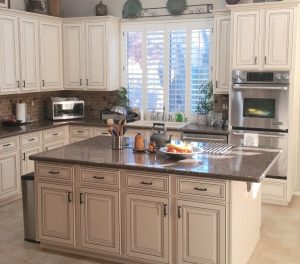
Updating your cabinets can dramatically transform the look of your space. It is a great way to boost home value and freshen up your living areas.
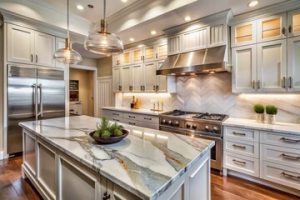
However, it is important to consider your budget and style when deciding between stain or paint. Painting offers a clean and modern aesthetic while hiding any imperfections. On the other hand, stained cabinets highlight character marks for a classic and natural appearance. Visit Cabinet Refinishing Modesto for more information.
Cabinet painting costs less than staining, with paint being the more budget-friendly option. Professionals usually charge around $100 per cabinet face, which includes labor, a standard paint job and touch-up. Painters can also provide brush and roller options, which are more budget-friendly than spray painting. However, this method requires more time and effort on your part and may result in uneven application and color coverage. Staining cabinets involves stripping and sanding the surface, which can increase labor costs.
The cost of cabinet staining depends on the wood species, which has a significant impact on overall price. Lighter stains like birch or maple are cheaper than darker stains like mahogany or cherry. Wood types with a grain pattern will also affect stain costs, as will the type of finish chosen.
A popular choice for painted cabinets is medium-density fiberboard (MDF), as the material typically has a smooth surface that’s easy to paint and matches well with most color schemes. Depending on the door style, MDF can be as durable as solid wood and often costs significantly less.
MDF, along with particle board and plywood, is typically referred to as “paint-grade” materials because they’re easy to stain and work well for most projects. If you’re opting for stained cabinets, a good cabinet pro will use high-quality paint to ensure an even coat that stands up to moisture and humidity.
One of the biggest benefits of stained cabinets is that they showcase the natural character marks of your cabinet’s wood species, such as knots and grain patterns. The translucent nature of stains highlights the character of your cabinet doors and can make them more visually interesting. However, some people dislike this non-uniform aesthetic and prefer a more uniform look.
A painted cabinet’s uniform appearance makes it easier to clean and maintain, as dirt and smudges tend to blend in more easily than with the natural wood grain. The durability of paint also makes it more resistant to damage than stain, so the likelihood of needing touch-ups is lower with this treatment. In addition, painted cabinets are on-trend, which can boost resale value for homes that feature up-to-date kitchens.
Durability
The durability of your cabinet finish is a crucial factor to consider when selecting a refinishing option. Generally, stained finishes are more durable than painted cabinets. While paint can provide a fresh, contemporary aesthetic, it’s also prone to chipping and cracking. This is particularly true for high-traffic areas like the kitchen. Stains offer a more natural appearance and are resistant to chips, scratches, and other damages. In addition, stains are better able to camouflage damage and marks over time.
Another aspect to consider is your lifestyle. For families with young children, painted cabinets may be less practical. Stained finishes are more likely to hide damage, making them a good choice for busy households.
A major advantage of stained cabinets is that they can be easily repaired with touch-up markers. This is a great feature to have when you are cooking, as you can quickly cover scuffs or dents in the finish and restore its appearance. The availability of touch-up markers is another reason to consider staining your cabinets if you have young children.
When it comes to color, stained cabinets provide a range of natural wood tones (tans and browns) to complement any home design. They are also well suited to modern and transitional designs, particularly when paired with white wall cabinets or accent colors such as navy blue or seafoam green.
One of the biggest advantages of painting is that it offers a wider range of color options, which makes it easier to find a hue that suits your kitchen. Additionally, painting can cover imperfections in the wood and smooth out the surface for a crisp, clean aesthetic. It can be difficult to achieve this result with stain, as the grain of the wood is visible through the finished product.
While the decision between painting or staining depends on personal preferences and your kitchen’s overall style, both options are a smart way to improve the look of your space. A professional installation will ensure a smooth finish that enhances your home’s value and provides years of durability. In the end, whether you opt for a stained or painted finish will come down to your budget, desired visual appeal, and return on investment.
Appearance
The finish on your cabinetry sets the stage for your entire kitchen design. Countertops, flooring and accent colors all work around your cabinet color and stain or paint choice. Choosing the right one for your project is an important decision.
Whether stained or painted, you can also add a decorative touch with glaze. Glaze is colored and goes atop the stain or paint, adding dimension and highlighting your choice of hue. It’s a great option for homeowners who want to showcase natural wood grain but aren’t comfortable with the character marks and blemishes that often accompany it.
With a wide selection of colors available, paint gives you the flexibility to create a timeless style that works well with all countertop and flooring materials. White, gray, and cream are popular options that pair well with any cabinet style. If you’re going for a bolder look, you can choose from an array of vibrant hues like tranquil teal and submarine yellow. Paint is a cost-effective and DIY-friendly option, but it does require proper prep to ensure an even surface.
Staining requires sanding, which makes it a more labor-intensive process than painting. It’s important to hire a professional for this project to avoid damaging your cabinetry or creating uneven finishes.
Stained cabinets are more durable than painted cabinets. The stain penetrates the wood, meaning it’s less prone to chipping and cracking. However, stained cabinets can be more costly than painted ones.
The staining process isn’t as fast as painting, and it takes a little longer to dry. You’ll also need to apply several coats of stain to achieve the desired look.
Ultimately, it comes down to personal preference and how you want your kitchen to look. Staining is a great option for those who prefer natural wood and don’t mind sanding and staining their cabinetry. Painted cabinets offer a more modern and versatile look, but they may not appeal to future homebuyers as much as stained ones. If you’re concerned about a potential resale value, consider sticking with neutrals like grays and whites. Your Spahn & Rose cabinet design expert can help you decide what look is best for your kitchen.
Maintenance
Both stain and paint are great options for preserving, decorating, and protecting surfaces. However, they are not the same, and which one you choose depends on a number of factors. Among these are aesthetics, water resistance, durability, and return on investment. This guide will take you through the pros and cons of each option so that you can make the best choice for your home renovation project.
Before you decide whether to stain or paint your cabinets, it’s important to consider the kind of aesthetic you want. Paint is ideal for modern and contemporary homes, as it offers a versatile color palette and a clean, upscale look. On the other hand, stained cabinets are better suited for rustic and farmhouse-style homes.
Staining can be done with oil, water-based, or gel-based products. Oil-based stains are the longest-lasting, but they can be difficult to apply and remove. Water-based stains, on the other hand, are easy to use and environmentally friendly. Gel-based stains are in between, as they offer the durability of an oil-based stain and the ease of application and removal of a water-based stain.
Another thing to consider when deciding whether to stain or paint your cabinets is how long you’re willing to wait for the process. If you’re in a hurry, painting may be the best option for you. The painting process requires significant wood preparations, including sanding and primer, which can take time. On the other hand, staining can be completed much more quickly, as it only takes one coat of stain to fully cover your cabinet’s surface.
Overall, it’s important to consider your design aesthetic, budget, and family needs when deciding between painting or staining your cabinets. Neither finish is better than the other, but each has its own unique benefits. If you’re not sure which option is right for your kitchen, consult a professional and ask for advice. With the right advice and a little patience, you can find the perfect finish for your cabinetry.
Visit our Professional Services Blogs
West Accounting Services, Polycor Countertops, Appliance Repair Cherry Hill, Prism Power Wash, Gardner Tax And Accounting, Kitchen Remodel Cost, Sunrise Towing, Color Cork Flooring, Architectural Design Consultants, Sunny Cleaning, Solar Module Direct, Dr Mark Wiley, West Accounting Services, Visit Red Lake Region, Across America Movers, Karis Transportation, About The Bay Movers, Portland Metro Auto Insurance, Get Healthy Again, The Wow Traveler, Tzar Travel, Technohub IT Services, Maine Business Lending, Garage Door Repair 719, St Croix Tampa, Household Inspector, Hemp Solutions, Hamilton Home Inspection, Mold Removal Remediation Experts, Nine Radiance Furnitures