Preparing the Ground for Tree Removal

Worcester Tree Removal is a difficult task that requires time and physical labor. It can also be dangerous if the stump is near a home, car or power lines.
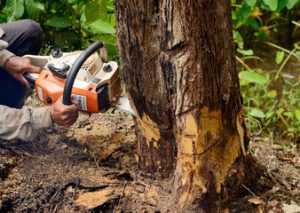
Tree Removal

A professional can help determine whether pruning or removal is the best option. Sometimes damage to trees makes removal the only way to keep them safe.

Stump grinding is a crucial component of tree removal and is an excellent choice when you want to get rid of unsightly, old stumps. A stump grinder uses a high-powered rotating disk, outfitted with sharp teeth, to grind away at the stump and its roots. Once the stump is reduced to wood chips, they can be removed from your property or repurposed as mulch for a garden or lawn. This technique is less invasive than excavation and takes less time to complete. It is also an environmentally friendly option as it doesn’t require destroying or disrupting existing soil.

The first step in stump grinding is to assess the area and remove any obstructions that could interfere with the process. This ensures that the work area is safe for the operator and prevents damage to any surrounding structures. It also helps the operator plan the best strategy for getting rid of the stump by understanding its size, depth, and proximity to any nearby objects.

Once the work area is cleared, the operator will position the stump grinder over the stump. The disk is lowered down over the surface, and the machine is maneuvered in a systematically way to grind the stump and its roots into wood chips. This process is typically completed in just a few hours and leaves the site ready for new planting or lawn care.

Depending on the model of stump grinder, it may be possible to dig down into the ground and completely eliminate the root system beneath. However, this can be challenging for homeowners and is best left to professionals who have the proper equipment.

Before beginning the stump grinding process, it is important to wear protective gear. This includes gloves, a face shield or goggles, and ear protection to protect yourself from debris, dust, and loud noises. You should also call 811 to identify any buried utility lines before starting work in your yard. This step is necessary to avoid damaging underground lines or causing an accident. Once the stump is ground, it is important to keep it clear of any regrowth or debris so that it does not become a tripping hazard. It is also recommended to have your stumps inspected annually to make sure that the roots are not attempting to re-establish themselves in the ground.

Epsom Salt Method

Epsom salt is an inexpensive and environmentally friendly alternative to more costly and physically demanding methods of removing a tree stump. The chemical consists of magnesium sulfate and has many other uses, including soothing sore muscles and improving plant growth. It is also effective at accelerating decomposition of the remaining stump, making it easier to remove with an ax or shovel.

Named after a town in England, Epsom salt is a natural mineral compound of magnesium and sulfate. It has long been used as a home remedy and is now a popular eco-friendly choice for eliminating unwanted tree stumps. This method is a good option for those who do not have the budget for more expensive alternatives, such as renting a stump grinder or digging the stump out by hand.

Unlike commercial products that contain potassium nitrate, the Epsom salt method works by drawing moisture from the stump, thus drying it out and allowing it to decay naturally. The process can take several months, but consistent application and patience will ensure success. Smaller, softer stumps will decay more quickly than larger and harder ones. A tarp should be placed over the stump to keep rain from washing away the salt and to prevent damage to surrounding grass and plants.

Although the Epsom salt method is relatively cheap, it can potentially taint soil quality around the stump. Therefore, it is important to avoid overuse and to use the least amount possible to minimize environmental impact.

Another benefit of using Epsom salt to kill a stump is its ability to reduce transplant shock in trees, shrubs and other hardy vegetation. This occurs when a tree or shrub is moved from one location to another and its roots become dehydrated, causing it to wilt. Adding a teaspoon of Epsom salt to the hole where the plant is planted can help it recover from this shock and thrive once again.

If you are interested in incorporating the Epsom Salt Method into your landscape, contact our tree service Dunlap IL today. Our experts can provide you with more information and guidance on this effective and easy-to-use natural solution for removing pesky tree stumps.

Burying

Wood burial is a low-cost method of carbon removal. It utilizes waste materials from forest and sawmills that would otherwise be burned or decomposed, emitting CO2 into the atmosphere. Scientists have found that burying this debris in deep soil preserves it for centuries and prevents CO2 from returning to the atmosphere. The researchers estimate that this technique could remove between 770 and 937 gigatonnes of CO2 from the atmosphere over the next 76 years, enough to cool global temperatures by up to 0.42 degrees Celsius.

This method provides many benefits to the environment and to landowners. It reduces fire risks on the land, increases the reforestation potential of the site, and generates carbon credits that can be sold in voluntary carbon markets. Mast is working with a landowner outside Billings, Montana to bury and recycle unusable dead biomass from the 2021 Poverty Flats wildfire, generating carbon credit revenue that will directly fund reforestation of the site over time.

Stumps and other wood debris can accumulate a lot of dirt at their base, especially during construction and landscaping. This dirt can suffocate the roots, damage tree cells, and prevent the root crown from receiving enough moisture to function properly. This can also lead to insect and disease infestations.

Chemical Stump Remover

Whether you opt for the magical decay induced by chemical stump removers or the gratifying toil of natural and manual removal methods, the process to a stump-free garden is one that requires careful planning. The right choice of method aligns with your environmental ethos, physical capabilities, and patience level. The process also depends on the conditions of the soil and surrounding environment. For this reason, preparing the ground for successful stump removal is an essential part of the overall process. This includes aerating the soil, enriching it with nutrients, and maintaining adequate moisture levels. By implementing these preparatory steps, you’ll lay the foundation for the effective application of tree stump removers.

The first step in the chemical stump removal process involves drilling holes into the surface of the stump. These holes should be evenly spaced and deep enough to reach the roots. After this, the stump remover solution is poured into the holes. The holes should be covered with a tarp or plastic sheet to prevent the solution from spilling out of the holes. The stump must be covered for several weeks to allow the chemicals to penetrate into the stump and begin decomposition.

There are a number of different types of stump removal solutions available, including potassium nitrate, Epsom salt, and vinegar. Each has its own benefits and drawbacks. However, potassium nitrate is typically the most popular and widely used. This is due to its ability to accelerate the decomposition of a stump, making it easier to remove.

When using a chemical stump remover, it is important to use caution and adhere to all instructions and safety precautions. This is especially true if there are children or pets around the site. Wearing protective gear such as gloves, goggles, and a mask is vital to protect against possible splashes or inhalation of chemicals. It is also a good idea to test the soil for contaminants before beginning the stump removal process. This will ensure that the chemicals won’t contaminate surrounding plants or water sources.

While DIY stump removal can be possible for certain stumps, it is often recommended to hire a professional. This way, you can be sure that the process will be completed quickly and correctly. A professional will have the proper equipment and knowledge to remove even the most stubborn of stumps without causing damage or injury.


Reviving Spaces Through Modern Cabinet Refinishing

Cabinet Refinishing Sacramento transforms dull cabinetry into renewed focal points. It is both practical and creative. Many homeowners now choose refinishing instead of replacing. This trend grows due to cost, style, and sustainability.

Cabinet Refinishing

The appeal of refinishing lies in flexibility and innovation. Surfaces can be adapted to match evolving tastes. Finishes can reflect subtle minimalism or bold artistry. Each choice allows cabinets to feel like new installations.

Modern techniques now push beyond simple sanding and staining. Specialized coatings resist moisture and daily wear. Some refinishing methods incorporate layered colors for depth. Others focus on textures that mimic natural or industrial materials.

Color psychology influences refinishing trends significantly. Lighter shades create a sense of openness in small rooms. Dark tones provide luxury and character to larger kitchens. Vibrant colors bring personality and modern energy.

Sustainability adds another layer to refinishing choices. Repurposed finishes reduce waste compared to full replacements. Eco-friendly paints with low emissions are gaining popularity. Natural oils and waxes preserve surfaces while enhancing textures.

Cabinet refinishing also improves functionality through subtle upgrades. Adding protective seals extends cabinet life significantly. Smooth finishes simplify cleaning and reduce buildup. Aesthetic improvements go hand-in-hand with practical outcomes.

Technological advances make refinishing more precise than before. Spray systems deliver consistent coverage with minimal waste. Digital design tools help homeowners preview finish options. These innovations streamline decisions and reduce uncertainty.

The role of lighting must not be overlooked in refinishing. Reflective finishes enhance brightness and clarity in dark areas. Matte finishes reduce glare and add sophistication. The finish and lighting balance determines final impressions.

Cabinet refinishing is no longer limited to kitchens alone. Bathrooms benefit from water-resistant coatings and fresh appearances. Offices adapt cabinetry with professional tones and sleek textures. Even living rooms transform through refinished built-in units.

Trends are shifting toward personalized cabinet finishes. Some homeowners choose artistic designs with layered patterns. Others embrace subtle matte coatings for timeless appeal. The diversity allows every refinished cabinet to tell a story.

Refinishing also connects strongly with cultural expression. Certain designs draw inspiration from traditional patterns. Others adopt futuristic styles with metallic effects. Each reflects personal values and lifestyle aspirations.

Durability remains a critical aspect of refinishing. Surfaces endure frequent handling, cleaning, and humidity changes. Strong protective layers reduce chipping, fading, and scratches. Proper refinishing ensures long-term performance with minimal upkeep.

The process also encourages homeowners to rethink organization. Refinishing often pairs with hardware updates. Handles, knobs, and hinges add visual character. This pairing enhances both aesthetics and usability.

Cabinet refinishing can increase property value substantially. Buyers appreciate modernized spaces without costly renovations. Refinishing highlights care and attention to detail. It often becomes a strong selling point in competitive markets.

Unique textures are reshaping how cabinets appear in homes. Finishes now mimic natural stone or raw concrete. Brushed metallic effects are becoming increasingly popular. These choices bring originality without requiring total reconstruction.

Refinishing allows for gradual design evolution. Surfaces can be adapted over time to follow trends. Cabinets no longer need to remain static for decades. This flexibility makes refinishing a future-proof choice.

The process also reflects mindful living and minimalism. Reusing existing cabinets minimizes resource consumption. Clean designs emphasize space and harmony. Refinishing embodies balance between beauty and responsibility.

Sound absorption is an emerging consideration in refinishing. Certain coatings reduce echoes in open kitchens. Matte textures contribute to calmer acoustic environments. This innovation supports more peaceful living spaces.

The psychology of touch influences refinishing materials. Smooth finishes provide comfort and reassurance. Textured coatings engage the senses and add depth. Both approaches affect how cabinets are experienced daily.

Cabinet refinishing can integrate hidden technology features. Wireless charging pads can blend with cabinet tops. LED lighting strips enhance visibility and ambiance. Modern refinishing adapts to tech-friendly lifestyles seamlessly.

Professional artistry is increasingly valued in refinishing projects. Craftsmen bring precision and innovative techniques. Unique hand-applied layers create character not found in mass production. These details set refinished cabinets apart.

Refinishing also emphasizes resilience against humidity and heat. Specialized coatings now protect cabinets near cooking zones. Bathroom cabinets benefit from advanced moisture-resistant solutions. Longevity is enhanced through science-driven products.

Educational awareness has influenced refinishing choices. Homeowners research finishes with health-conscious priorities. Low-toxicity paints and natural oils gain stronger preference. Refinishing aligns with wellness-focused living styles.

Seasonal refinishing is another rising practice. Some adjust cabinet tones to match seasonal moods. Warm hues brighten colder months with comfort. Cooler shades bring freshness during warmer seasons.

Cabinet refinishing contributes to intergenerational traditions as well. Older cabinetry can be preserved and modernized. Families appreciate both memory and style in refinished units. Refinishing bridges past craftsmanship with contemporary aesthetics.

The economic aspect of refinishing is notable. Budgets are maximized without sacrificing quality. Refurbishing delays the need for costly replacements. It creates balance between affordability and elegance.

A growing number of refinishing techniques are DIY-friendly. Homeowners enjoy hands-on involvement in projects. Tutorials and kits make customization more accessible. However, professionals still deliver unmatched quality and durability.

Refinishing can also be therapeutic for some. The process of transforming old cabinetry provides satisfaction. Watching progress unfold nurtures creativity and patience. It becomes more than a household upgrade.

Innovative pigments add depth and light reflection. Pearlescent finishes shift tones under changing angles. Iridescent colors create dynamic and evolving appearances. These touches enhance refinement and artistry.

Cabinet refinishing embraces the concept of timeless design. Rather than chasing fast-changing fads, it balances trends. Neutral finishes remain versatile and enduring. The approach ensures relevance across decades.

Artisanal finishing introduces cultural storytelling through cabinets. Designs may draw from folklore, traditions, or modern art. Each finish can symbolize identity and heritage. This makes refinishing more personal and meaningful.

The process highlights the importance of surface preparation. Sanding and priming ensure smooth adhesion. Clean bases reduce imperfections in the final finish. Preparation directly affects durability and visual quality.

Cabinet refinishing also reduces disruption compared to replacement. No major demolition is required for transformation. Projects are completed faster and with less mess. This convenience appeals to busy lifestyles.

Sound environmental practices now shape refinishing techniques. Recyclable materials and green-certified coatings lead innovations. Waste reduction aligns refinishing with eco-conscious principles. Homes benefit while supporting environmental responsibility.

The art of layering multiple coats transforms appearances. Each layer builds depth, richness, and durability. Subtle variations create natural highlights across surfaces. The outcome feels luxurious yet approachable.

Refinishing also encourages design experimentation safely. Surfaces can be redone if styles change. Unlike replacements, mistakes are easier to correct. This reduces fear of commitment in creative choices.

Cultural trends also affect refinishing inspirations. Minimalist urban styles inspire matte monochromes. Rustic preferences highlight distressed and natural finishes. Each movement shifts refinishing practices toward new directions.

Cabinet refinishing improves cohesion within a space. Matching finishes unify kitchens, bathrooms, and living areas. Coordinated designs strengthen flow and harmony. This makes interiors feel more intentional and elegant.

The process adapts to future innovations effortlessly. New finishes and protective materials integrate smoothly. Cabinets can evolve as technology and design progress. Refinishing thus becomes an ongoing journey.

Customization stands at the heart of refinishing. No two projects must look alike. Each reflects unique tastes, lifestyles, and creativity. Personalization ensures lasting emotional connection with spaces.

Cabinet refinishing is increasingly tied to mental wellness. A refreshed space inspires positivity and comfort. Environments influence mood more than often realized. Refinishing uplifts homes through both form and function.

The artistry of cabinet refinishing will continue expanding. Emerging techniques redefine what surfaces can become. The balance of durability, creativity, and sustainability drives progress. Refinishing remains a fusion of beauty and practicality.

Seasonal Air Duct Cleaning: Why Timing Matters for Optimal Home Performance

When it comes to maintaining a clean and efficient home, timing is often just as important as the task itself. Air duct cleaning is no exception. While many homeowners understand the value of cleaning their ductwork, fewer recognize that when the service is performed can significantly impact its effectiveness. Seasonal Air Duct Cleaning Salt Lake City is a strategic approach that aligns maintenance with changing environmental conditions, ensuring that your home remains comfortable, efficient, and healthy throughout the year.

air duct cleaning

Instead of treating duct cleaning as a one-time or reactive service, viewing it through a seasonal lens transforms it into a proactive maintenance practice. This perspective not only improves indoor air quality but also enhances HVAC performance and extends the life of your system.

Why Seasonal Changes Affect Your Air Ducts

Each season introduces different environmental factors that influence the condition of your air ducts. During warmer months, increased use of cooling systems can circulate dust, pollen, and outdoor pollutants throughout your home. In colder months, heating systems may draw in dry air and redistribute accumulated debris within the ductwork.

Additionally, seasonal transitions often bring shifts in humidity levels. High humidity can encourage mold growth inside ducts, while dry conditions can cause dust to become more airborne. These fluctuations make it essential to address duct cleanliness at key points throughout the year.

Without seasonal maintenance, contaminants can build up gradually, reducing air quality and forcing your HVAC system to work harder than necessary.

The Best Times of Year for Air Duct Cleaning

Timing your air duct cleaning service strategically can maximize its benefits. While cleaning can be done at any time, certain periods are particularly advantageous.

Ideal times for air duct cleaning include:

  1. Spring, when removing accumulated winter dust and allergens prepares your home for increased cooling usage.
  2. Fall, which helps clear out summer debris and ensures your heating system operates efficiently during colder months.

Scheduling cleaning during these transitional seasons allows your HVAC system to start each major usage period in optimal condition. This proactive approach improves performance and reduces strain on the system.

Preparing for Allergy Seasons

One of the most overlooked benefits of seasonal air duct cleaning is its role in managing allergies. Spring and early summer often bring high levels of pollen and airborne allergens, which can easily enter and accumulate within duct systems.

When ducts are not cleaned before allergy season, these particles are continuously circulated throughout the home, exacerbating symptoms such as sneezing, congestion, and irritation. Cleaning ducts ahead of peak allergy periods helps reduce the presence of these irritants, creating a more comfortable indoor environment.

This is especially important for households with individuals who are sensitive to allergens or have respiratory conditions.

Improving Energy Efficiency Year-Round

Air duct cleaning is closely linked to energy efficiency, and seasonal timing enhances this benefit. When ducts are free of obstructions, air can flow more easily, allowing HVAC systems to operate more efficiently.

During peak seasons—summer for cooling and winter for heating—systems are under increased demand. Clean ducts ensure that this demand is met without unnecessary strain, reducing energy consumption and lowering utility costs.

Seasonal cleaning supports efficiency by:

  1. Eliminating airflow restrictions, allowing conditioned air to circulate freely.
  2. Reducing system workload, which helps maintain consistent temperatures without overuse.

This results in a more balanced and cost-effective home environment.

Preventing Seasonal Odors and Stale Air

Changes in weather and humidity can also affect the smell of indoor air. Musty or stale odors often become more noticeable during seasonal transitions, particularly when HVAC systems are turned on after periods of inactivity.

These odors are often caused by accumulated dust, moisture, or microbial growth within the ductwork. Seasonal cleaning removes these sources, ensuring that the air circulating through your home remains fresh and pleasant.

Addressing odors before they become noticeable helps maintain a more inviting living space and improves overall comfort.

Extending the Lifespan of HVAC Systems

Your HVAC system is a significant investment, and proper maintenance is key to maximizing its lifespan. Seasonal air duct cleaning plays an important role in protecting this investment by reducing wear and tear on system components.

When ducts are clogged, the system must work harder to push air through, leading to increased strain on motors, fans, and other parts. Over time, this can result in breakdowns or the need for costly repairs.

Regular cleaning helps maintain optimal operating conditions, ensuring that your system runs smoothly and lasts longer. This not only saves money but also provides greater reliability throughout the year.

Supporting a Healthier Indoor Environment

Seasonal air duct cleaning contributes to a healthier home by reducing the presence of airborne contaminants. Each season introduces different pollutants, from pollen in spring to dust and debris in winter.

By addressing these contaminants at the right time, homeowners can maintain a consistently clean indoor environment. This is particularly important in homes where occupants spend a significant amount of time indoors.

Health benefits include improved air quality, reduced exposure to allergens, and a more comfortable living space overall.

Signs You Shouldn’t Wait for the Next Season

While seasonal cleaning is ideal, there are situations where immediate attention is necessary. Certain signs indicate that your air ducts may require cleaning regardless of the time of year.

These include:

  1. Visible dust blowing from vents, indicating significant buildup.
  2. Persistent odors when the system is running, suggesting contamination within the ducts.
  3. Recent renovations or construction, which can introduce debris into the system.

In these cases, delaying cleaning until the next season may lead to further issues. Addressing problems promptly ensures that your home remains safe and comfortable.

Combining Seasonal Cleaning with Routine Maintenance

Air duct cleaning is most effective when combined with other HVAC maintenance practices. Changing air filters regularly, inspecting system components, and scheduling routine checkups all contribute to overall performance.

Seasonal cleaning complements these efforts by addressing areas that are not covered by standard maintenance. Together, these practices create a comprehensive approach to home care, ensuring that both air quality and system efficiency are maintained.

This integrated strategy reduces the likelihood of unexpected problems and supports long-term reliability.

A Proactive Approach to Home Comfort

Adopting a seasonal approach to air duct cleaning reflects a shift from reactive to proactive home maintenance. Instead of waiting for issues to arise, homeowners can anticipate and address potential problems before they impact comfort or performance.

This mindset not only improves immediate living conditions but also contributes to long-term savings and peace of mind. By aligning cleaning schedules with seasonal changes, homeowners can stay ahead of environmental factors that affect their duct systems.

Conclusion

Seasonal air duct cleaning is a practical and effective way to maintain a healthy, efficient, and comfortable home. By timing cleaning services to coincide with changes in weather and system usage, homeowners can maximize the benefits of cleaner air, improved efficiency, and reduced wear on HVAC systems.

From preparing for allergy seasons and preventing odors to enhancing energy performance and extending system lifespan, the advantages of seasonal cleaning are both immediate and long-lasting. It transforms air duct maintenance into a strategic practice that supports overall home well-being.

Ultimately, understanding the importance of timing allows homeowners to get the most out of their air duct cleaning services—ensuring that their living environment remains fresh, efficient, and ready for every season.