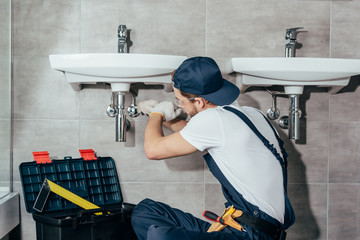
Emergency Plumber: When to Call and What to Expect During Urgent Repairs

Emergency Plumber

A plumbing emergency can turn a normal day into a stressful situation within minutes. A burst pipe, overflowing toilet, sewer backup, or major water leak can quickly damage flooring, walls, furniture, and personal belongings if the problem is not addressed immediately. While some plumbing issues can wait for a scheduled appointment, others require urgent professional attention to protect the home and restore essential services.

Knowing when to call an emergency plumber helps homeowners respond faster and avoid unnecessary damage. Understanding what happens during an emergency plumbing visit also makes it easier to stay calm and make informed decisions when every minute matters. Contact your local Emergency Plumber Westminster for more information.

What Is Considered a Plumbing Emergency?

A plumbing emergency is any problem that threatens the safety, sanitation, or structural condition of a property. Burst pipes, uncontrolled leaks, overflowing toilets, sewer backups, and complete loss of water service are common examples. These situations can worsen rapidly because water continues spreading until the source is stopped. Even a small opening in a pressurized pipe can release a significant amount of water in a short period. Immediate professional service helps limit damage and restore control.

Not every plumbing issue requires an emergency response, so homeowners should evaluate the severity of the problem. A slow-dripping faucet may be inconvenient, but it usually does not create the same immediate risk as water pouring through a ceiling. A single clogged sink may also be manageable unless several fixtures are backing up at once. Problems involving sewage, flooding, electrical hazards, or unavailable essential fixtures should receive urgent attention. Recognizing the difference helps homeowners choose the appropriate level of service.

When Should You Call an Emergency Plumber?

Homeowners should call an emergency plumber when water cannot be stopped or when a plumbing failure is causing active property damage. A burst supply line, leaking water heater, broken shutoff valve, or pipe failure behind a wall may require immediate repair. Water can travel beneath flooring and through structural cavities, making the affected area much larger than it initially appears. Delaying service allows moisture to reach additional building materials. Prompt action often reduces the cost and complexity of restoration.

Sewer backups also require urgent plumbing assistance because they create serious sanitation concerns. Wastewater entering sinks, showers, bathtubs, or floor drains may expose the home to harmful contaminants and unpleasant odors. Multiple slow drains or gurgling toilets can indicate a developing main sewer line problem before a complete backup occurs. Emergency evaluation helps determine the source and restore proper drainage. Sewage-related problems should never be ignored or treated as ordinary clogs.

What Should You Do Before the Plumber Arrives?

The first priority during many plumbing emergencies is stopping the water supply if it can be done safely. Homeowners should locate the nearest fixture shutoff valve or use the main water valve when the exact source cannot be isolated. Turning off the water reduces continued flooding while limiting damage to walls, flooring, and belongings. Knowing where the main shutoff is located before an emergency occurs can save valuable time. Every household should make this information easily accessible.

Homeowners should also protect themselves from electrical hazards near standing water. If water has reached outlets, appliances, wiring, or an electrical panel, the affected area should be avoided until it has been declared safe. Furniture, electronics, documents, and other valuables may be moved only when doing so does not create additional risk. Towels or containers may help control small amounts of water temporarily, but they should not replace professional repair. Safety should always come before property protection.

What Happens During an Emergency Plumbing Visit?

An emergency plumbing visit usually begins with a rapid assessment of the situation. The plumber identifies the active source of water, determines the severity of the failure, and takes immediate steps to prevent additional damage. This may involve shutting off a water line, isolating a damaged fixture, clearing a major blockage, or temporarily stabilizing a broken pipe. Stopping the emergency is the first priority before permanent repairs begin. Accurate diagnosis helps prevent unnecessary work.

Once the situation is under control, the plumber inspects the affected system more carefully. Pipes, valves, drains, fixtures, connections, and nearby materials may be examined for related damage. Specialized equipment may be used when the problem is hidden behind walls, beneath floors, or inside a sewer line. The homeowner is then informed about the recommended repair and any additional concerns discovered during the inspection. Clear communication helps homeowners understand the scope of the emergency.

What Types of Repairs Can an Emergency Plumber Perform?

Emergency plumbers are equipped to handle many urgent problems involving water supply lines, drains, toilets, water heaters, and sewer systems. Repairs may include replacing damaged pipe sections, fixing leaking connections, repairing broken valves, clearing severe clogs, or restoring water service. The specific solution depends on the cause of the emergency and the condition of the plumbing system. Some problems can be fully repaired during the initial visit. Others may require temporary stabilization followed by additional work.

If a pipe has failed because of corrosion, freezing, excessive pressure, or age, the plumber may inspect nearby sections for similar weakness. Repairing only the visible leak may not provide lasting protection if surrounding materials are also deteriorated. Sewer emergencies may require drain equipment or camera inspection to identify blockages, roots, or damaged pipe sections. A comprehensive evaluation helps reduce the chance of the same problem returning. Long-term reliability depends on addressing the underlying cause.

Why Is a Fast Response So Important?

Water damage spreads quickly because many building materials absorb moisture. Drywall, wood, insulation, cabinetry, and flooring can begin swelling, staining, or weakening soon after exposure. Water may also travel into areas that are not immediately visible, including wall cavities and subfloors. The longer these materials remain wet, the greater the likelihood of extensive repair work. Fast plumbing service helps stop the source before the affected area expands.

A quick response also lowers the risk of mold growth and poor indoor conditions. Moisture trapped inside structural materials can create an environment where mold begins developing if proper drying is delayed. Even after the plumbing problem is repaired, water removal and drying may still be necessary. Addressing the leak quickly gives homeowners a better chance of saving materials that might otherwise require replacement. Timely action protects both the property and the comfort of its occupants.

How Can Homeowners Prevent Plumbing Emergencies?

Routine plumbing maintenance helps reduce the likelihood of sudden failures. Homeowners should inspect exposed pipes, supply lines, shutoff valves, faucets, toilets, and water heaters for corrosion, moisture, or wear. Small leaks should be repaired promptly because they may indicate weakening components or loose connections. Replacing aging appliance hoses and damaged toilet parts can also prevent unexpected flooding. Preventive maintenance is usually more affordable than emergency restoration.

Responsible drain use also helps prevent serious blockages. Grease, cooking oil, food scraps, wipes, paper towels, and hygiene products should not be placed into drains or toilets. During cold weather, exposed pipes should be protected from freezing, especially in garages, crawl spaces, and exterior walls. Homeowners may also benefit from knowing the age and condition of their plumbing materials. Regular inspections make it easier to address problems before they become emergencies.

How Should You Choose an Emergency Plumber?

Choosing an emergency plumber involves more than finding someone who is available outside normal business hours. Homeowners should look for a professional who communicates clearly, performs a careful assessment, and explains repair options before beginning permanent work. The plumber should focus on stopping the emergency while also identifying the underlying cause. Detailed information helps homeowners understand what is being repaired and why. Clear service expectations reduce stress during an already difficult situation.

It is helpful to identify a trusted plumbing professional before an emergency occurs. Keeping contact information available prevents homeowners from rushing to make decisions while water is actively damaging the property. Routine maintenance visits can also help the plumber become familiar with the home’s plumbing system. This knowledge may make future diagnosis and repairs more efficient. Preparing in advance improves the household’s overall emergency response.

Final Thoughts

An emergency plumber provides essential assistance when a plumbing failure threatens a home’s safety, sanitation, or structural condition. Burst pipes, major leaks, sewer backups, overflowing fixtures, and water heater failures should be addressed quickly to prevent additional damage. Knowing how to shut off the water, avoid electrical hazards, and contact professional help allows homeowners to respond with greater confidence. Routine inspections and responsible plumbing habits can reduce the risk of future emergencies. When urgent problems do occur, prompt professional service helps restore the plumbing system while protecting the home from costly damage.
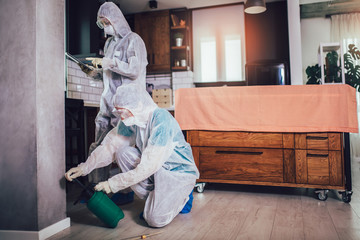
Pest Control Cost: What Homeowners Should Expect to Pay

When pests invade a home, one of the first questions many homeowners ask is how much professional pest control will cost. Whether dealing with ants, spiders, cockroaches, rodents, termites, or other unwanted pests, the price of treatment can vary depending on several important factors. While it may be tempting to choose the lowest-priced option, the overall value of a pest control service often depends on the quality of the inspection, the treatment plan, and the long-term results. Understanding what influences pest control cost helps homeowners set realistic expectations and make informed decisions when comparing service providers. Investing in effective pest management can often prevent more expensive property damage and recurring infestations in the future. Visit https://www.benspest.biz/ for more details.

What Factors Affect Pest Control Cost?

Several factors determine the total cost of pest control services, and no two properties are exactly alike. One of the most significant considerations is the type of pest involved. Treating ants or spiders may require a different approach than eliminating rodents, termites, bed bugs, or cockroaches because each pest has unique behaviors and treatment requirements. The complexity of the infestation influences the amount of labor, equipment, and materials needed to resolve the problem. More challenging infestations generally require more comprehensive treatment plans.

The size of the property also plays an important role in determining pricing. Larger homes often require more time to inspect, treat, and monitor than smaller residences because there are more rooms, entry points, and potential hiding places. Multi-story homes, detached garages, crawl spaces, and extensive outdoor areas may increase the amount of work involved. Accessibility can also influence the time required to complete the service. Every property presents its own unique treatment requirements.

How Does the Type of Pest Influence Pricing?

Different pests require different treatment methods, which directly affects pest control cost. Common household insects such as ants, spiders, or silverfish may be managed with relatively straightforward treatment plans. In contrast, termites, bed bugs, rodents, and wildlife often require specialized inspections, advanced equipment, multiple treatment visits, or ongoing monitoring. The more complex the pest problem becomes, the greater the investment typically required to achieve effective results. Treatment strategies vary according to the biology and behavior of each pest.

Some pests also require follow-up visits to confirm that the infestation has been completely eliminated. Rodents, termites, and bed bugs may remain hidden even after the initial treatment, making additional inspections necessary to evaluate progress. Certain pests reproduce rapidly, requiring ongoing monitoring before technicians can confidently determine that the problem has been resolved. These additional services naturally influence the overall cost of treatment. Comprehensive pest management often provides greater long-term value than a single visit.

Does the Severity of the Infestation Affect Cost?

The extent of the infestation is another major factor that influences pricing. A small problem detected early is often easier and less expensive to manage than a widespread infestation that has been developing for months. Minor pest activity may require only limited treatment in specific areas of the home, while larger infestations frequently involve multiple rooms, hidden nesting locations, or structural voids. Greater infestation levels generally require more time and resources to resolve. Early detection often reduces treatment expenses.

Hidden infestations can also increase restoration requirements after the pests have been eliminated. Rodents may damage insulation and electrical wiring, while termites can weaken wooden structural components over time. Additional repairs may become necessary if pests have caused extensive property damage before treatment begins. Addressing pest problems promptly helps reduce both treatment costs and repair expenses. Acting early often provides the greatest financial benefit.

Is One-Time Pest Control or Ongoing Service More Affordable?

Some homeowners only require a one-time pest control service to address an isolated problem. This option may be appropriate when a small infestation has been identified early and there are no signs of recurring pest activity. A single visit typically includes an inspection, treatment, and recommendations for preventing future infestations. For certain situations, this approach provides an effective solution without requiring ongoing service. The suitability of a one-time treatment depends on the type of pest involved.

Ongoing pest control plans often provide better long-term value for homeowners who want year-round protection. Routine inspections allow technicians to identify developing pest activity before it becomes a serious infestation. Preventative treatments, monitoring, and maintenance help reduce the likelihood of recurring problems throughout the year. Although ongoing service involves recurring costs, it may reduce the need for more expensive emergency treatments later. Preventive maintenance often lowers overall pest management expenses over time.

What Should Be Included in a Professional Pest Control Service?

A quality pest control service includes much more than simply applying treatment products. The process usually begins with a detailed inspection to identify the type of pest, locate nesting areas, determine entry points, and evaluate conditions that encourage pest activity. This information allows technicians to develop a treatment plan tailored to the property’s specific needs. Accurate diagnosis is one of the most valuable parts of professional pest management. Effective treatment begins with careful evaluation.

Professional services also commonly include recommendations for preventing future infestations. Homeowners may receive guidance regarding sanitation, moisture control, structural repairs, landscaping improvements, and food storage practices that reduce pest activity. Some treatment plans include follow-up inspections to monitor progress and confirm that pests have been successfully controlled. Comprehensive service provides greater value than treatment alone. Prevention is an essential part of long-term pest management.

How Can Homeowners Get the Best Value for Their Money?

Choosing pest control based solely on the lowest price may not always provide the best outcome. A low-cost treatment that fails to address the root cause of the infestation may result in repeated service calls and higher expenses over time. Comparing inspection quality, treatment methods, follow-up services, and preventative recommendations often provides a more accurate picture of overall value. Long-term effectiveness is just as important as the initial price. Quality service often reduces future costs.

Obtaining multiple estimates can also help homeowners understand what is included in different service plans. Asking questions about warranties, follow-up visits, inspection procedures, and preventative maintenance allows meaningful comparisons between providers. A detailed estimate should clearly explain the recommended treatment strategy and any additional services that may be required. Understanding exactly what is included helps homeowners make informed decisions. Careful comparison supports better long-term value.

Can Preventative Pest Control Save Money?

Preventative pest control is often one of the most cost-effective ways to protect a home from future infestations. Routine inspections help identify developing problems before pests establish large populations or cause extensive property damage. Addressing small issues early generally requires less treatment than eliminating widespread infestations later. Preventive care also reduces the likelihood of emergency service calls that may involve additional expenses. Consistent maintenance supports lower long-term costs.

Regular property maintenance also contributes to pest prevention by making the home less attractive to insects and rodents. Sealing entry points, repairing plumbing leaks, storing food properly, and maintaining clean indoor and outdoor environments reduce opportunities for pests to survive. These simple habits complement professional pest control services while helping maximize their effectiveness. Preventive efforts protect both the home and the homeowner’s budget. A proactive approach often delivers the greatest overall value.

Final Thoughts

Pest control cost depends on several factors, including the type of pest, the severity of the infestation, the size of the property, and whether one-time or ongoing service is needed. While pricing varies from one situation to another, choosing a professional service that provides thorough inspections, targeted treatments, and preventative recommendations often delivers the best long-term value. Addressing pest problems early and investing in routine maintenance can reduce future repair costs while helping maintain a healthier, more comfortable home. Understanding what influences pest control cost allows homeowners to compare services confidently and choose the solution that best meets their needs.

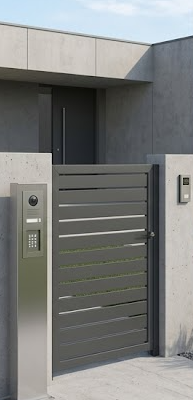
How to Maintain Metal Structures for Long-Term Durability

metal works

Metal structures are known for their strength, versatility, and ability to perform reliably for many years, but even durable metal requires proper care. Outdoor stairs, railings, gates, fences, structural frames, balconies, and other fabricated metal components are continuously exposed to moisture, temperature changes, dirt, chemicals, and everyday wear. Without routine maintenance, protective finishes can deteriorate, and corrosion may gradually weaken exposed areas.

Fortunately, many common problems can be prevented by inspecting, cleaning, and repairing metalwork before significant deterioration occurs. Understanding how to maintain metal structures for long-term durability can help property owners preserve their appearance, structural performance, and overall value. Go to this website at https://www.83metalcraftboise.com/ to learn more.

Why Is Regular Metal Structure Maintenance Important?

Regular maintenance helps preserve both the appearance and performance of metal structures. Protective coatings are designed to separate the underlying metal from moisture and other environmental conditions, but these coatings can eventually become scratched, chipped, or worn. Once exposed metal begins interacting with moisture and oxygen, corrosion can develop. Small areas of surface rust are generally easier to address than widespread deterioration. Routine maintenance therefore helps property owners identify problems while they are still manageable.

Maintenance is particularly important for exterior metalwork that experiences constant environmental exposure. Gates, stairs, railings, fences, and structural components may encounter rain, snow, humidity, road salts, pollutants, and changing temperatures throughout the year. Moving components such as hinges and latches also experience mechanical wear in addition to environmental exposure. Ignoring these conditions may shorten the useful life of otherwise durable metalwork. Consistent care helps protect the investment made in fabrication and installation.

How Often Should Metal Structures Be Inspected?

Metal structures should be visually inspected on a regular basis, with additional attention after severe weather or unusual impacts. Property owners can look for rust, peeling paint, cracked coatings, loose fasteners, damaged welds, movement at connections, and other visible changes. Areas where water collects deserve particular attention because prolonged moisture exposure can accelerate corrosion. Connections between different materials should also be examined for signs of deterioration. Regular observation makes it easier to identify changes before they become serious.

The appropriate inspection schedule depends on the structure and its environment. Indoor decorative metalwork generally experiences less environmental exposure than an exterior staircase or driveway gate. Structures located in coastal, industrial, or high-moisture environments may require more frequent inspection because corrosion can progress faster. High-use components should also be checked more often because repeated movement can loosen hardware or wear protective finishes. Inspection frequency should reflect actual exposure and use rather than relying on a single schedule for every structure.

How Should Metal Structures Be Cleaned?

Cleaning removes substances that can hold moisture against the metal surface or damage protective coatings over time. Dirt, dust, leaves, bird droppings, salts, and other debris should not be allowed to accumulate in corners, joints, or horizontal areas. Many finished metal surfaces can be cleaned using water, a mild cleaning solution, and non-abrasive tools. Aggressive cleaners or abrasive materials may damage certain finishes, so cleaning methods should always be appropriate for the coating. Gentle routine cleaning is usually preferable to infrequent heavy scrubbing.

After cleaning, the structure should be examined for areas where the finish has become damaged. Dirt can conceal small scratches, rust spots, cracks, or deterioration around fasteners and welded connections. Cleaning therefore serves two purposes by improving appearance and making inspection easier. Drainage openings and areas where debris tends to accumulate should receive additional attention. Keeping metal clean and dry reduces conditions that encourage premature corrosion.

How Can Rust and Corrosion Be Prevented?

Preventing corrosion begins with maintaining an effective protective barrier between the metal and its surrounding environment. Paint, powder coating, galvanizing, and other protective finishes can help reduce direct exposure to moisture and corrosive substances. When a coating becomes scratched or chipped, the affected area should be addressed before corrosion spreads beneath the surrounding finish. Small maintenance repairs can significantly extend the life of metal components. Waiting until rust becomes widespread generally makes restoration more complicated.

Moisture management is equally important. Water should be able to drain away from metal stairs, platforms, gates, railings, and structural connections instead of collecting in low areas. Vegetation should also be kept from continuously touching exterior metal because leaves and branches can trap moisture against the surface. Where metal meets concrete or other materials, joints should be monitored for areas where water may become trapped. Good design and ongoing maintenance work together to reduce corrosion risk.

What Should You Do When Rust Appears?

Small areas of surface rust should be addressed promptly rather than simply painted over. The affected area generally needs to be cleaned and prepared so loose rust, failing coating, and contaminants are removed before a compatible protective system is reapplied. Proper surface preparation is essential because a new coating applied over unstable corrosion may fail prematurely. The exact repair method depends on the metal and existing finish. Early treatment can prevent a localized problem from spreading across a larger section.

More extensive corrosion requires closer evaluation. Deep pitting, significant material loss, distorted components, or corrosion around structural connections may indicate that the problem extends beyond appearance. In these situations, simply removing visible rust may not restore the original strength of the component. Professional evaluation can determine whether repair, reinforcement, or replacement is appropriate. Structural safety should always take priority over cosmetic restoration.

How Should Welds, Bolts, and Connections Be Maintained?

Connections are critical areas because they transfer loads between different sections of a metal structure. Welded joints should be inspected for visible cracking, corrosion, deformation, or separation from surrounding material. Bolted connections should be checked for missing hardware, excessive corrosion, or movement that was not present previously. Loose or deteriorated connections can affect the stability of stairs, railings, gates, platforms, and other assemblies. Problems around load-bearing connections should be addressed promptly.

Fasteners and connections can also create locations where moisture and debris accumulate. Cleaning these areas helps prevent hidden corrosion from developing beneath dirt or around hardware. Replacement fasteners should be suitable for the surrounding metal and intended environment because incompatible materials can sometimes contribute to accelerated corrosion. Proper installation is just as important as material selection. Maintaining connections helps preserve the performance of the entire structure rather than only its visible surfaces.

How Can Moving Metal Components Be Maintained?

Metal gates, movable barriers, hinges, latches, and other mechanical components require additional maintenance because they experience friction and repeated movement. Hinges should operate smoothly without unusual resistance, sagging, or excessive noise. Latches and locks should align correctly so users do not need excessive force to operate them. Changes in alignment may indicate loose hardware, worn components, or movement in supporting posts. Addressing these problems early reduces stress on the surrounding structure.

Lubrication may be appropriate for certain moving parts, but the correct product and application depend on the hardware and environment. Excess lubricant can sometimes attract dust and debris, so more is not necessarily better. Tracks and rollers on sliding gates should be kept free from stones, leaves, and other obstructions that interfere with movement. Automated gates may also require maintenance of operators and safety components according to manufacturer recommendations. Proper mechanical care improves both reliability and longevity.

How Does the Environment Affect Metal Durability?

Environmental conditions play a major role in determining how quickly metal structures require maintenance. Coastal areas can expose metalwork to airborne salts, while industrial environments may contain pollutants that accelerate deterioration. Locations with winter road treatments can expose stairs, railings, gates, and lower structural components to deicing salts. High humidity and frequent rainfall also increase the amount of time metal surfaces remain wet. Structures in demanding environments generally require more attentive maintenance.

Design details can reduce some environmental risks. Adequate drainage, appropriate protective coatings, suitable material selection, and minimizing areas where moisture becomes trapped all contribute to longer service life. When planning new metalwork, expected exposure should be considered before choosing materials and finishes. Existing structures may also benefit from upgraded coatings when they are restored. Matching maintenance practices to environmental conditions provides stronger long-term protection.

When Should Metal Structures Be Professionally Repaired?

Professional evaluation is recommended whenever damage appears to affect the strength, stability, or safe operation of a metal structure. Loose railings, cracked welds, severely corroded stair components, leaning gates, damaged structural supports, or significant deformation should not be treated as cosmetic problems. A qualified professional can determine whether the affected component can be repaired or needs replacement. Acting early may prevent damage from spreading to adjacent sections. Safety-related concerns should never be postponed.

Professional maintenance can also be beneficial when a structure needs extensive refinishing or modification. Restoring large metal assemblies may involve surface preparation, welding, replacement components, alignment adjustments, and application of new protective finishes. Coordinating these tasks properly helps ensure that repairs address both appearance and performance. A well-executed restoration can extend the useful life of existing metalwork significantly. Professional fabrication and repair can often preserve structures that might otherwise deteriorate further.

Final Thoughts

Maintaining metal structures for long-term durability requires consistent attention to cleaning, corrosion prevention, protective finishes, connections, drainage, and mechanical components. Small problems such as chipped coatings, surface rust, loose hardware, and debris accumulation are much easier to correct when discovered early. Environmental exposure and frequency of use should determine how often a particular structure is inspected and maintained. When significant corrosion, damaged welds, or structural movement appears, professional evaluation can help determine the safest repair strategy. With proactive maintenance and timely repairs, metal stairs, railings, gates, fences, frames, and other fabricated structures can remain attractive, functional, and dependable for many years.

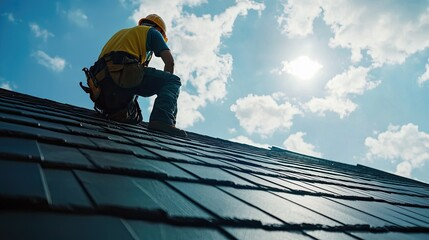
What Are Roofing Services? A Complete Guide to Protecting Your Home

A roof is one of the most important parts of any home, yet it is often overlooked until a problem appears. A small leak, missing shingle, or damaged flashing can quickly become a bigger issue if it isn’t addressed. Quality roofing services help homeowners protect their property from water, weather, and everyday wear. They can also improve energy efficiency, appearance, and a home’s overall value. Understanding what roofing services include helps homeowners spot problems early and make informed decisions about roof care. Visit Website for more information.

What Are Roofing Services?

roofing

Roofing services cover a wide range of work designed to install, maintain, repair, and replace roofing systems. These services can apply to different roof styles and materials, including shingles, metal, tile, and other roofing products. Professional roofing work generally begins with an assessment of the roof’s current condition. This allows potential problems to be identified before repairs or other work begins. A thorough assessment can also help determine whether a roof needs a minor repair, maintenance, or more extensive work.

Roofing services are not limited to fixing visible damage. They can also include inspections, maintenance, leak detection, flashing repairs, ventilation improvements, and complete roof replacement. Each service addresses a different aspect of roof performance. Regular attention can help prevent minor concerns from developing into expensive structural problems. By understanding the different types of roofing services available, homeowners can better determine what their property needs.

Roof Inspection and Maintenance

Roof inspections are an important part of maintaining a safe and functional roofing system. An inspection can reveal damaged shingles, cracked materials, loose components, deteriorated flashing, blocked drainage areas, and other concerns. Some problems may not be obvious from the ground, which is why a closer examination can be valuable. Early detection allows homeowners to address issues before they cause significant interior or structural damage. Regular inspections can be especially useful after severe weather or when an older roof begins showing signs of wear.

Routine maintenance can also extend the useful life of a roof. Cleaning debris, checking drainage systems, inspecting flashing, and monitoring areas where water may collect can help keep the roof in better condition. Maintenance does not eliminate the possibility of damage, but it can reduce the likelihood of preventable problems. Keeping records of inspections and repairs can also help homeowners understand how the roof has changed over time. A consistent maintenance approach is generally more manageable than waiting until a major roofing problem develops.

Roof Repair Services

Roof repairs are designed to address specific areas of damage without necessarily replacing the entire roofing system. Common repair needs can involve leaks, damaged shingles, cracked materials, loose flashing, or problems around roof openings. The correct repair depends on the cause and extent of the damage. Simply covering a visible leak without identifying its source may only provide a temporary solution. Proper diagnosis is therefore an important part of effective roof repair.

Prompt repairs can help prevent water from reaching insulation, ceilings, walls, and other parts of the home. Even a relatively small leak can create moisture-related problems if it continues for an extended period. Homeowners may notice warning signs such as water stains, damp areas, unusual odors, or visible roof damage. Addressing these signs early can reduce the risk of more extensive repairs. A properly completed repair should restore the affected area while helping prevent the same problem from returning.

Roof Replacement Services

There comes a point when repairs may no longer be the most practical solution. A roof that has extensive damage, widespread deterioration, or reached the end of its expected service life may require replacement. Roof replacement involves removing the existing roofing materials and preparing the underlying surface for a new system. The process may also involve replacing damaged decking or other components when necessary. A complete replacement can provide a fresh roofing system designed to offer long-term protection.

Choosing to replace a roof is a significant decision, so homeowners should consider several factors before moving forward. The condition of the existing roof, the age of the materials, the home’s design, and the desired durability can all influence the decision. Homeowners should also consider ventilation and drainage because these systems affect the performance and longevity of the new roof. Selecting appropriate materials can improve both appearance and functionality. A well-planned replacement can provide reliable protection while reducing the need for frequent repairs.

Choosing the Right Roofing Materials

Roofing materials have a major influence on the appearance, durability, maintenance needs, and performance of a roof. Asphalt shingles are widely used because they are available in various styles and can provide practical protection. Metal roofing is another option that can offer durability and a distinct appearance. Tile and other specialty materials may also be suitable depending on the structure and design of the home. Each material has its own characteristics, advantages, and maintenance requirements.

Climate and environmental conditions should also be considered when selecting roofing materials. A roof must be able to handle exposure to sunlight, wind, rain, temperature changes, and moisture. The slope and structure of the roof can influence which materials are appropriate as well. Homeowners should also consider how long they expect the roofing system to remain in place and how much maintenance they are willing to perform. Making a thoughtful material choice can contribute to better long-term performance and satisfaction.

Roofing Ventilation and Drainage

Proper ventilation is an important but sometimes overlooked part of roofing performance. A well-ventilated roof can help regulate temperature and moisture levels in the attic area. Without adequate ventilation, excessive heat and moisture can contribute to problems involving insulation, wood components, and roofing materials. Moisture buildup may also contribute to mold or deterioration under certain conditions. Evaluating ventilation during roofing work can therefore help protect both the roof and the structure beneath it.

Drainage is equally important because water needs a clear path away from the roof. Gutters, downspouts, roof slopes, and drainage areas work together to direct rainwater away from vulnerable parts of the home. Blockages or damaged drainage components can cause water to accumulate where it should not. Over time, standing or improperly directed water can contribute to leaks and material deterioration. Keeping drainage systems clean and functioning properly is a simple but valuable part of overall roof care.

Signs That Your Roof Needs Attention

Homeowners should pay attention to signs that may indicate a roofing problem. Missing, cracked, curled, or damaged roofing materials can suggest that the roof is beginning to deteriorate. Water stains on ceilings or walls may also indicate that moisture is entering through the roofing system. Other warning signs can include damaged flashing, sagging areas, excessive granules in gutters, or visible gaps around roof openings. Recognizing these issues early can make it easier to determine what type of roofing service may be needed.

The age of a roof can also influence whether professional evaluation is appropriate. Even when a roof appears acceptable from the ground, hidden deterioration can develop beneath the surface. Regular inspections can provide a clearer picture of its condition. Homeowners should not wait for a major leak before considering an inspection, particularly if the roof has experienced severe weather or shows visible signs of wear. Early attention can help protect the home and potentially reduce repair costs.

Why Professional Roofing Services Matter

Roofing work requires knowledge of materials, installation techniques, safety practices, and building requirements. A professional approach can help ensure that problems are properly diagnosed rather than treated only at the surface. Proper installation is especially important because even high-quality roofing materials can perform poorly when they are installed incorrectly. Experienced roofing professionals can also identify related concerns that homeowners may not notice. This can help create a more complete approach to roof maintenance and repair.

Professional roofing services can also save homeowners time and reduce the risks associated with working at height. Roofing projects often involve ladders, steep surfaces, specialized equipment, and heavy materials. Attempting complex repairs without the appropriate experience can result in personal injury or additional property damage. Having qualified professionals handle demanding roofing work allows homeowners to focus on the outcome rather than the hazards of the process. The goal is to maintain a roofing system that provides dependable protection for the home.

Final Thoughts

Roofing services play an essential role in keeping a home protected, comfortable, and structurally sound. From routine inspections and maintenance to repairs and complete replacements, each service addresses different roofing needs. Understanding warning signs and responding to problems early can help prevent minor damage from becoming a major concern. Choosing suitable materials and maintaining proper ventilation and drainage can also improve the long-term performance of a roof. With regular care and timely professional attention, homeowners can keep their roofing system in better condition and enjoy greater peace of mind.